

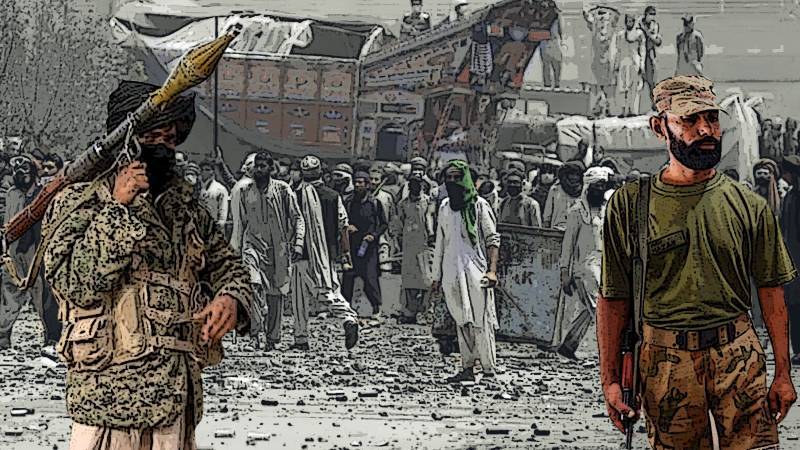
The growing wave of religious extremism in Pakistan presents a grave challenge to the country's social fabric and security. Recent months have witnessed alarming trends that demand urgent attention from both the state and society.
Blasphemy laws continue to be misused with devastating consequences in Pakistan. Between January and April 2025, courts handed down death sentences to nine individuals in separate cases, all related to alleged online blasphemy. Families of over 100 people accused by the FIA of sharing blasphemous content online filed petitions, claiming their loved ones were fraudulently trapped by a "blasphemy business group." They cited Punjab Police Special Branch and NCHR reports, which revealed a gang luring young people into fake blasphemy cases and extorting money. The Special Branch recommended a probe, while the NCHR noted operatives used fake female profiles to entrap victims, leading to arrests. Disturbingly, evidence suggests organised "blasphemy gangs" are actively entrapping citizens, sometimes in collusion with certain FIA officials.
Religious minorities remain particularly vulnerable. The brutal lynching of an Ahmadi worshipper in Karachi's Saddar area last week by a TLP-led mob and recurring attacks on Christian settlements underscore the climate of impunity surrounding faith-based violence. These incidents follow a familiar pattern: mob violence met with inadequate police response, followed by perfunctory official condemnations but little substantive action.
Addressing this crisis requires a multi-pronged approach: the most important of which will be immediate legal reforms to prevent abuse of blasphemy laws
Even mainstream Islamic scholars advocating tolerance have become targets. The past quarter saw multiple assassinations of religious figures across KP, Punjab, and Balochistan. In Peshawar, Quetta, and Jhelum, prominent clerics known for opposing extremist ideologies were gunned down, signalling a worrying trend of silencing moderate voices.
Security challenges have been compounded with the TTP's resurgence. High-profile attacks, including the constabulary vehicle attack in Mastung, demonstrate the group's expanding operational capacity. The ongoing blockade of roads in Parachinar due to security concerns highlights the state's struggle to maintain order in conflict zones, while extremist groups continue to operate with impunity.
Social unrest linked to international issues such as the Palestine conflict has sparked boycotts and attacks on businesses like KFC, further destabilising urban centers. Over 10 KFC branches in Karachi, Lahore, and Islamabad were vandalised by mobs protesting US support for Israel in the Gaza war. One KFC worker was shot dead in Sheikupura. Police increased security at 27 KFC locations in Lahore.
The increasing incorporation of religious rhetoric in official discourse, including recent statements from the military leadership, risks further normalising extremist narratives. This trend particularly affects non-Muslim communities, with rising reports of discrimination and violence against Hindu citizens.
Overall, Pakistan faces a worsening crisis of religious extremism, sectarian violence, and identity confusion. The state's inadequate response to extremist violence, misuse of blasphemy laws, and militant insurgencies threaten social cohesion and security. Without a clear consensus on Pakistan's ideological foundation and stronger, inclusive governance, the situation is likely to deteriorate further. The choices made in responding to these challenges will determine whether Pakistan moves toward greater cohesion or deeper division.
Addressing this crisis requires a multi-pronged approach: the most important of which will be immediate legal reforms to prevent abuse of blasphemy laws. Concerted efforts to protect religious minorities and moderate scholars. A comprehensive counterterrorism strategy addressing both militant groups and their ideological ecosystems. Clear institutional commitment to keeping national discourse inclusive and pluralistic.