

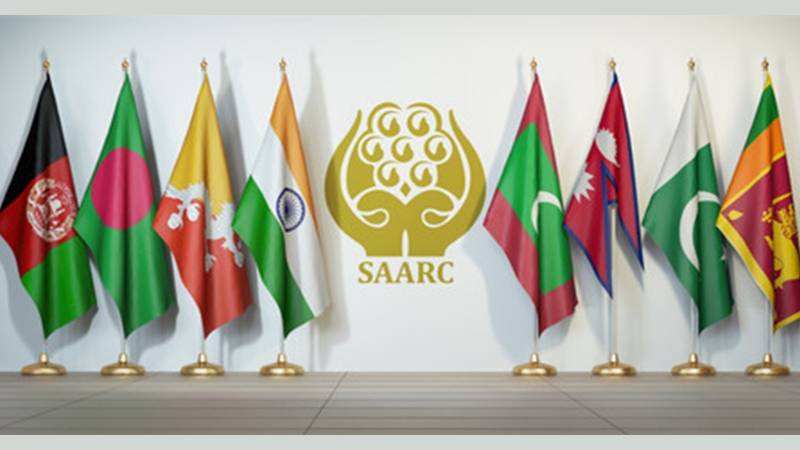
The South Asian Association for Regional Cooperation (SAARC) is not dead. In fact, a major, surprise regional breakthrough is now highly possible. High-level diplomatic sources close to the developments in Islamabad reveal that 80 to 90 percent of the groundwork required to convene the long-delayed summit is already complete. It is legally Pakistan’s turn to host, and behind-the-scenes diplomatic machinery is moving rapidly to pull off an unexpected regional reset.
However, a critical puzzle remains unresolved: where will the summit actually take place?
While a summit is expected soon, senior diplomatic sources concede that hosting the event in Islamabad is highly unlikely given the current bilateral gridlock. With Indo-Pak relations currently far from ideal, diplomats are actively evaluating alternative, neutral venues behind closed doors to ensure New Delhi’s participation without Pakistan losing its host status.
In this regard, diplomatic circles are increasingly pointing toward Colombo as the most viable option. Sri Lanka, which has historically played the role of a neutral ground and bridge-builder in South Asian politics, could once again emerge as the compromise venue to rescue the bloc from its decade-long paralysis.
Track 1.5 and the "Side-by-Side" Reality
The quiet progress on SAARC comes at a time of severe bilateral frost, showing that while formal high-level dialogue is frozen, "side-by-side engagements" are continuing out of absolute structural necessity.
A vital release valve keeping lines of communication open is the low-profile Track 1.5 diplomatic channel. This delicate, quiet contact is being steered on the Pakistani side by former Foreign Secretary Aizaz Ahmad Chaudhry alongside the senior officials from the Ministry of Foreign Affairs (MoFA). Crucially, this is not merely a bureaucratic exercise; it features active participation from Pakistan's broader political and media intelligentsia. High-profile figures, including veteran politician and PPP Senator Sherry Rehman, alongside prominent journalist and foreign policy analyst Nasim Zehra, have been key participants in these quiet, behind-the-scenes deliberations to keep regional engagement alive.
Concurrently, multilateral platforms are serving as a convenient mask for coexistence. The Shanghai Cooperation Organisation’s Regional Anti-Terrorist Structure (SCO-RATS) meeting has been continuing in Islamabad. In a striking visual paradox, Indian and Chinese diplomats are currently in the federal capital, sharing the same table with Pakistani officials, proving that technical contact has not broken down.
The Core Faultline: The Battle Over the Indus
The reason these SAARC preparations are being handled with extreme secrecy is the absolute contrast between regional diplomacy and the looming water war between Islamabad and New Delhi. The core issue paralyzing direct relations remains the critical dispute over the Indus Waters Treaty (IWT).
Following India’s aggressive, unilateral posturing on the western rivers (Indus, Jhelum, and Chenab), Pakistan has treated any attempt to disrupt or divert these vital waters as an existential threat. In response, Islamabad has launched a massive, coordinated global diplomatic counter-offensive, mobilizing over 100 envoys worldwide to brief host governments on the legal and environmental fallout of India's treaty suspension. As part of this strategic push, Islamabad has also proposed high-level advocacy conferences in the US and the UK prior to October 2026, aiming to rally international arbitration pressure back onto New Delhi.
Bilateral Dissonance: Pilgrims vs. Visas
This "engage-yet-obstruct" dynamic is most visible in how both nations handle people-to-people movement on the ground.
While Islamabad has consistently extended unilateral diplomatic goodwill by facilitating and cooperating with Indian visitors, particularly Sikh pilgrims visiting holy sites. New Delhi continues to maintain structural hurdles for Pakistani citizens. India's deliberate policy of delaying and restricting visa issuance for Pakistanis continues to stifle any organic public diplomacy that could defuse state-level hostility.
Background: The Promise and Paralysis of SAARC
Established in Dhaka in 1985, SAARC was envisioned as a vehicle to emulate the regional integration successes of the European Union or ASEAN. Its eight member states represent nearly a quarter of the world's population, yet South Asia remains one of the least integrated economic regions globally.
Because the SAARC Charter explicitly rules out bilateral and contentious issues, it was designed to bypass the Indo-Pak conflict. In reality, the exact opposite happened: the bilateral relationship became the anchor that dragged the entire institution down, with no summit successfully held since 2014.
The Verdict
On July 14, 2026, the Secretary-General of SAARC, Md. Golam Sarwar, made a farewell call on Deputy Prime Minister and Foreign Minister Ishaq Dar in Islamabad. While the official press release was filled with standard diplomatic pleasantries regarding a "revitalized SAARC", the real story was happening behind the curtain.
With 90 percent of the groundwork quietly locked in, the diplomatic wheels are turning. Despite the heavy shadows of the Indus Waters Treaty dispute and visa barriers, a surprise SAARC breakthrough is highly possible if the backchannels can finally lock in Colombo as the compromise stage.