

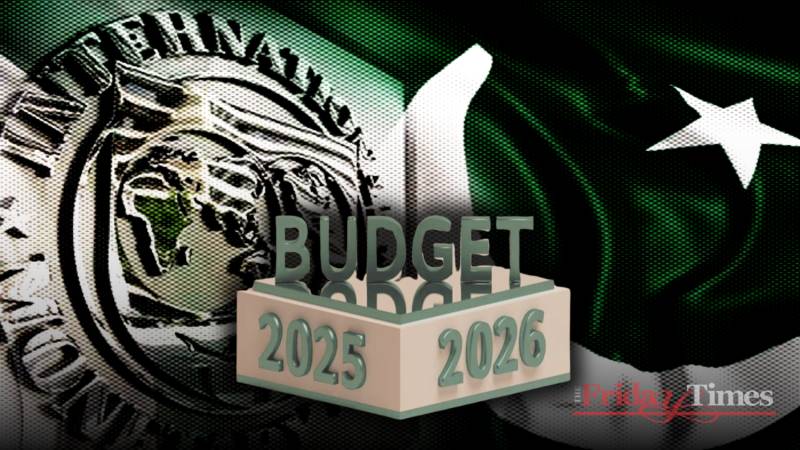
The Federal Budget 2025–26 is a mixed bag of good intentions and tough realities. It tries to fix deep-rooted problems but still struggles with limited funds and outside economic pressures. Although it reflects efforts to push for reform, particularly in areas like taxation, trade facilitation, and industrial competitiveness, questions remain about its impact on the ground — especially for the common citizen and struggling sectors.
The budget’s emphasis on export-led growth is a positive sign, especially in a country where the trade deficit and low-value exports continue to hamper economic progress. Tariff rationalisation, with simpler slabs of 5%, 10%, and 15%, and the extension of the 0% slab to more PCT codes, signals a push towards making raw materials and inputs more affordable for exporters and industrial producers. Likewise, the reduction in customs and regulatory duties could lower production costs and potentially enhance Pakistan’s global competitiveness. However, this strategy depends heavily on whether industries can translate these tariff cuts into higher output and better-quality exports, which has not always been the case in the past.
Consumer welfare is a more complicated story. While the exemption of bun and rusk from sales tax is a small relief for the low-income groups, other measures — such as the proposed gradual imposition of sales tax in erstwhile FATA/PATA and the withdrawal of reduced rates on smaller cars and certain food items — risk increasing the burden on the consumers, especially amid inflationary pressures. The phasing out of the solar panel exemption may affect renewable energy adoption, unless it is carefully balanced with local industry support.
The effort to make industrial raw materials cheaper through rationalised duties is commendable. It aligns with the government’s desire to improve productivity, efficiency, and innovation within the local industries. By reducing input costs, the budget aims to incentivise manufacturing. Yet, such changes alone will not suffice unless there is a broader ecosystem of support — energy availability, logistics, financing, and market access.
There is ambition in policy, but whether it translates into inclusive growth, consumer protection, and job creation remains uncertain
On economic sovereignty, the budget attempts to walk a tightrope. It tries to reduce dependency on imported goods, while boosting local production through strategic exemptions and regulatory changes. However, fiscal reliance on indirect taxation — especially through sales tax and import duties — suggests that Pakistan is still some distance away from achieving true economic independence. Moreover, increasing taxes in areas that affect the everyday consumer often undermines public confidence and compliance.
Employment generation is touched upon indirectly, particularly through support for industrial expansion and digital transformation. Yet, there is no substantial direct allocation or programme for large-scale job creation. In a country with a large youth population and growing unemployment, this is a missed opportunity.
The FBR Transformation Plan, which includes setting up Centralised Assessment and Examination Units, using digital tools for enforcement, and introducing a cargo tracking system, shows a strong effort to modernise and make things more transparent. The ability to track goods, differentiate between genuine and fraudulent activity, and the use of technology for enforcement could significantly improve the tax collection and reduce smuggling. But the FBR’s success will depend on effective implementation, accountability, and public trust — areas where its performance has historically fallen short.
Innovation, efficiency, and productivity have been prioritised through regulatory reforms, digital tax enforcement, and institutional restructuring. The proposal to allow short-term hiring of specialists and auditors may introduce the much-needed capacity. But these steps must be supported with skill development and administrative will to ensure results.
The budget’s legislative changes show a clear shift towards stricter enforcement, deterrence against tax fraud, and expanding the net of sales tax through new definitions and monitoring tools. However, the aggressive tone — especially the restriction on bank accounts and property transfers for non-registered persons — may create anxiety within the informal sector, which remains vast and largely undocumented.
Further, the health and education sectors continue to receive limited attention. Although some allocations have been made, they are not proportionate to the pressing needs of the population. Without meaningful investment in human capital, economic reforms alone cannot yield sustainable progress. Rural areas, too, seem to have been sidelined, with little mention of agricultural reforms or rural infrastructure development. These gaps could widen regional inequalities and slow down overall growth.
While the 2025–26 Federal Budget makes thoughtful efforts in trade facilitation, industrial competitiveness, and digital transformation, its success hinges on execution. There is ambition in policy, but whether it translates into inclusive growth, consumer protection, and job creation remains uncertain. The government must ensure that its reforms do not disproportionately burden the average Pakistani, while chasing revenue and control. Ultimately, the budget needs to do more than just restructure taxes and tariffs; it must rebuild confidence in the economic system and governance itself. Only then can it truly serve as a foundation for long-term stability and development.