

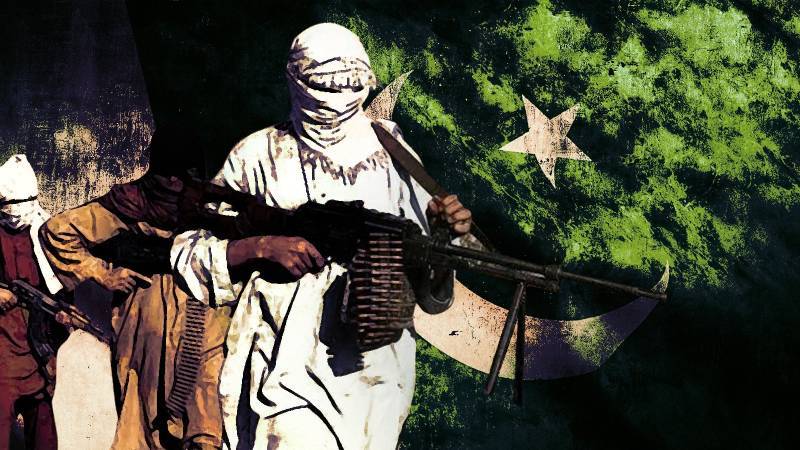
Pakistan is caught between a rock and a hard place, with tense relationships with both India and Afghanistan. The hawkish policies of the Modi regime and terrorist sponsorship from the Afghan Taliban have deteriorated the peace of the region and intensified terrorist attacks in Pakistan. According to the Pakistan Institute for Conflict and Security Studies (PICSS), violence in the first three quarters of 2025 nearly matched the entire toll of 2024, with nearly 2,500 people killed. Furthermore, the recent Orakzai incident, a clash between Pakistani security forces and militants in the Orakzai district of Khyber Pakhtunkhwa province on October 7–8, 2025, during an intelligence-based operation, resulted in the martyrdom of 11 security personnel, including two senior army officers (Lieutenant Colonel Junaid Arif and Major Tayyab Rahat), while 19 militants were neutralised.
It has created a tense and frustrating situation in the country, sparking widespread concern and annoyance among the public. According to Al Jazeera, the Taliban have blamed Pakistan for an airstrike in Kabul and another in the eastern Afghan province of Paktika on Thursday. These airstrikes happened coincidentally when the Afghan Foreign Minister, Amir Khan Muttaqi, was in India for a six-day visit, the first such trip since the Taliban’s return to power.
Indian author and security analyst Parvin Sawhney wrote on X, “With India upgrading diplomatic ties with the Taliban regime in Afghanistan, a new front has officially opened up between India and Pakistan.” This shows how close ties between India and Afghanistan could challenge the security of the region. The economic and political situation of Pakistan demands cordial relations with its neighbours, particularly close ties with Afghanistan, which are key to defeating the insurgency in the tribal areas.
Pakistan's mistrust and poor relations with Afghanistan have several negative impacts on the country. One significant concern is the potential for increased cross-border tensions and security challenges. The Tehrik-i-Taliban Pakistan (TTP) will take advantage of those hostile relations, and it could attack and re-emerge with power. The TTP can also gain support from the Afghan Taliban, which is a like-minded organisation. If diplomatic ties between the two neighbours remain strained, it may lead to a rise in border disputes, illegal movements, and the activities of non-state actors, posing a threat to the stability of both nations.
Strained relations with Afghanistan could impede regional cooperation, hindering joint efforts to address common issues such as terrorism, drug trafficking, and refugees
Zahid Hussain, author of the book No-Win War: The Paradox of US-Pakistan Relations in Afghanistan's Shadow, argues that the scapegoating of Afghan migrants will not cover up our policy flaws. Furthermore, strained relations with Afghanistan could impede regional cooperation, hindering joint efforts to address common issues such as terrorism, drug trafficking, and refugees. This lack of collaboration would amplify security risks and hinder economic development in the region. Political instability in Afghanistan may have spillover effects on Pakistan, affecting its own internal security situation.
Factors Shaping the Future
Several factors would influence the future of Afghanistan–Pakistan relations in the aftermath of recent unpleasant events.
First, Pakistan and Afghanistan share a common interest in regional security, but progress on the ground is thin. Collaborative efforts to address shared security challenges, such as terrorism and insurgency, would comprise hostile and unpleasant moves instead of paving the way for improved relations.
Second, as Maleeha Lodhi, a veteran diplomat and writer, suggests, the resumption of diplomatic dialogue is crucial for resolving issues between Pakistan and Afghanistan. Both countries need to engage in constructive talks to address concerns and build mutual trust for mutual cooperation and mutual interests.
Third, China could play a crucial role as a mediator and facilitator in settling disputes between Kabul and Islamabad. In the past, China played the role of mediator between Pakistan and Afghanistan. At Beijing’s request, in June 2017, both countries agreed to establish two platforms: a crisis prevention and management mechanism to resolve their issues. The involvement of regional and international actors such as China, Iran, or Saudi Arabia could help resolve disputes and foster a conducive environment for cooperation.
Fourth, Pakistan and Afghanistan are two of the largest trading partners. An agreement was signed in 2010 to strengthen trade relations and facilitate Afghan transit trade through Pakistan. However, there has been little progress, as complaints of mistrust continue to act as barriers to exchange. Both nations need to improve trade facilitation, economic collaboration, and joint development projects. These would provide a foundation for stronger ties because shared economic interests have the potential to mitigate political and economic tensions.
Fifth, the United Nations High Commissioner for Refugees (UNHCR) reported that as of October 2025, there are 1.7 million Afghans in Pakistan. It is therefore important to address the humanitarian aspects of the refugee crisis. Cooperation in providing aid, facilitating voluntary repatriation, and ensuring the welfare of the displaced population should be common ground for both countries.
In short, the expulsion of Afghan refugees and increasing terrorist activities in Pakistan have added to the existing challenges, making the future of Afghanistan–Pakistan relations uncertain. While the path forward seems unclear, diplomatic engagement and a commitment to addressing common concerns could pave the way for a more stable and cooperative relationship. Otherwise, India and its terrorist proxies could take advantage of these deteriorating relations, and they could also start hydropolitics through the construction of the Shahtoot Dam on the Kabul River, which would divert water flow from Pakistan and trigger conflict between the two neighbours. The role of the international community in facilitating mediation and negotiations between these two neighbouring countries will be crucial. Efforts to address these challenges, including diplomatic negotiations and regional cooperation, are paramount.