

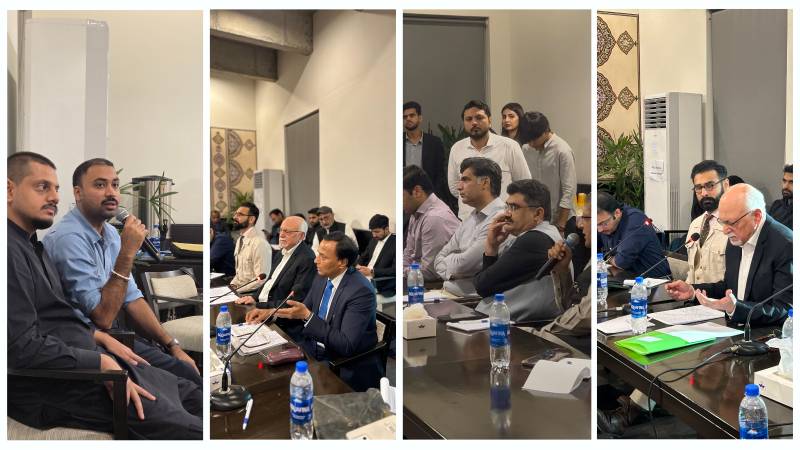
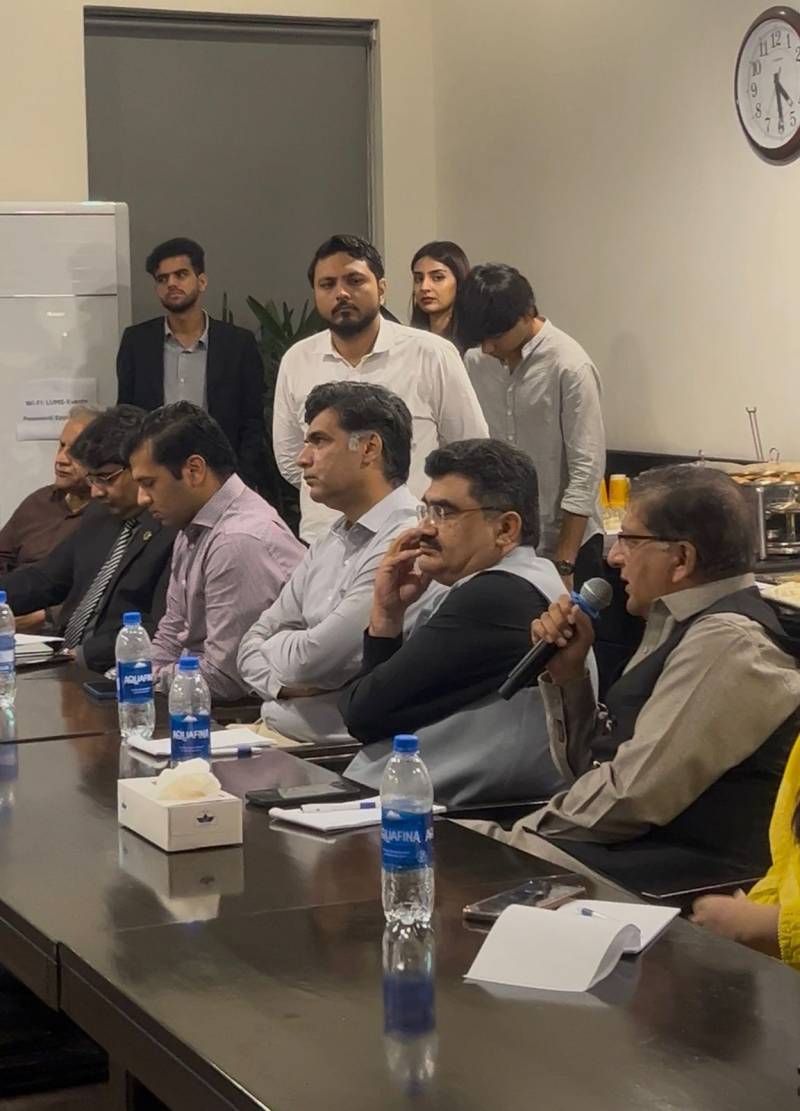
The “Access, Resilience, and Sustainability: Pathways to Food Security in Pakistan” policy dialogue took place in Lahore University of Management Sciences (LUMS) featuring prominent members from government bodies as well as major international players and progressive farmers. The event was jointly organised by Rizq - a social enterprise working on achieving Zero Hunger, CNM Department of Economics, the Mahbub ul Haq Research Centre at LUMS as well as the Consortium for Development Policy Research (CDPR).
The discussion is extremely pertinent in the light of rising food insecurity threats in Pakistan due to climate-induced floods and droughts to price spikes and supply chain disruptions. In a population where a sizable proportion of population - especially women and children - are already malnourished, these challenges further intensify the risks which can lead to large-scale starvation and diseases.
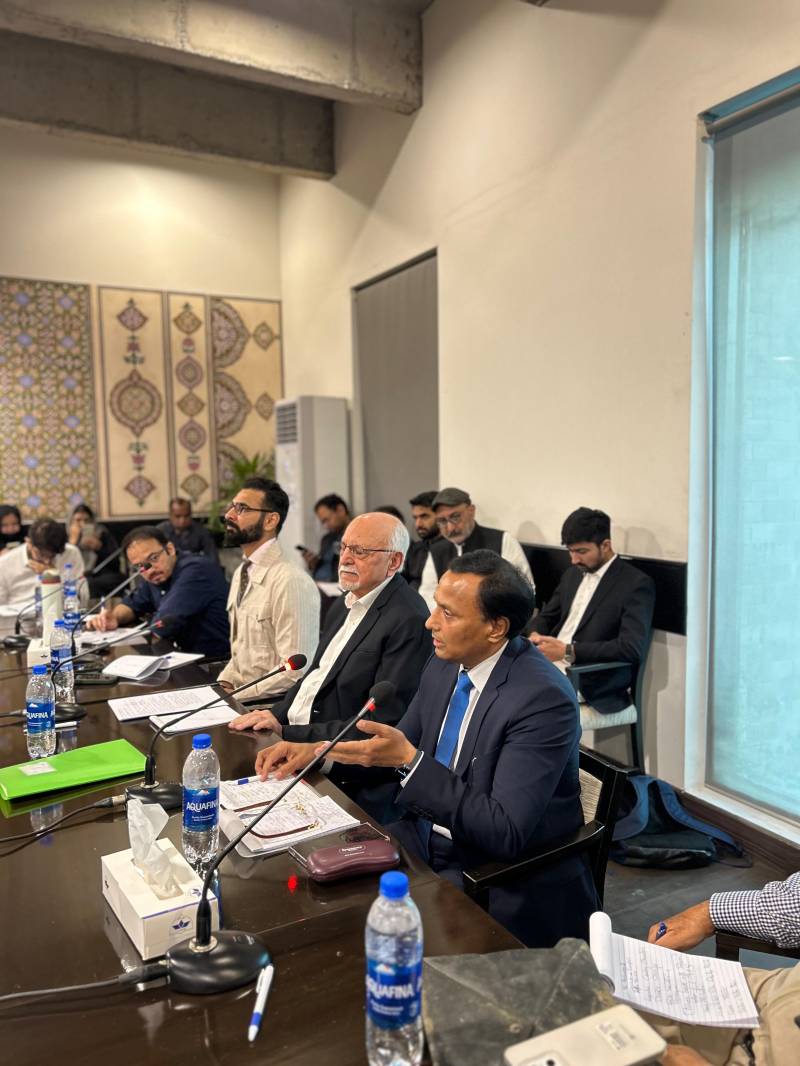
In the light of the recent floods which primarily impacted the agricultural lands of Punjab, the challenge of food insecurity becomes much more crucial. At this critical juncture where urgent action needs to be taken in order to make our food systems secure and resilient, this policy dialogue provides a crucial starting point by bringing together key stakeholders from all relevant sectors to ensure holistic solutions are developed to tackle food insecurity and the causes behind it at every stage.
What Makes Pakistan’s Food Systems Vulnerable?
Pakistan has historically been an agriculturally rich land and economy, yet a large number of our population remains food insecure. The problem of food insecurity goes beyond mere provision of food, but ties in with health, learning, productivity, and long-term human development outcomes, costing the country billions in lost potential each year. Over 40% of our children under 5 suffer from stunted growth due to poor nutrition, while 43% of the women in reproductive age are anaemic. These numbers should raise alarm bells for all of us.
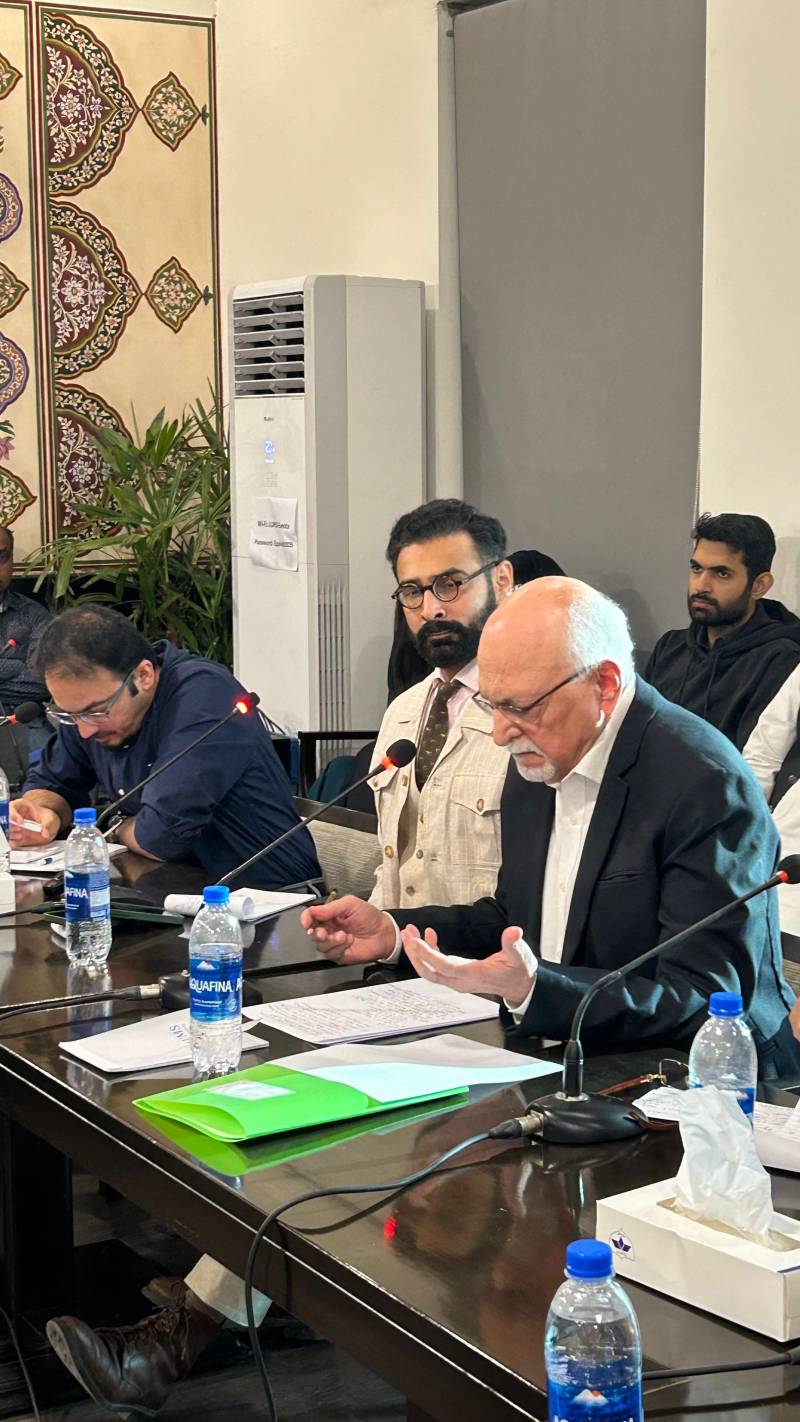
The challenge is not just a shortage of food, but rather a systemic flaw which involves lapses across the food supply chain from inefficient yields, exploited small-farmers, climate-related shocks, price fluctuations and inequality in food access. The first panel during the policy dialogue discussed these existing systemic challenges in great detail to bring to light the different flaws that exist in the system.
The panel featured Dr. Sher Afghan Asad from and Dr. Abid Aman Burki from LUMS, Dr. Asim Mahmood Khan from Punjab Livestock and Dairy Development Board of Directors and Aftab Alam Khan, CEO of Resilient Future International to ensure the challenges are examined thoroughly.
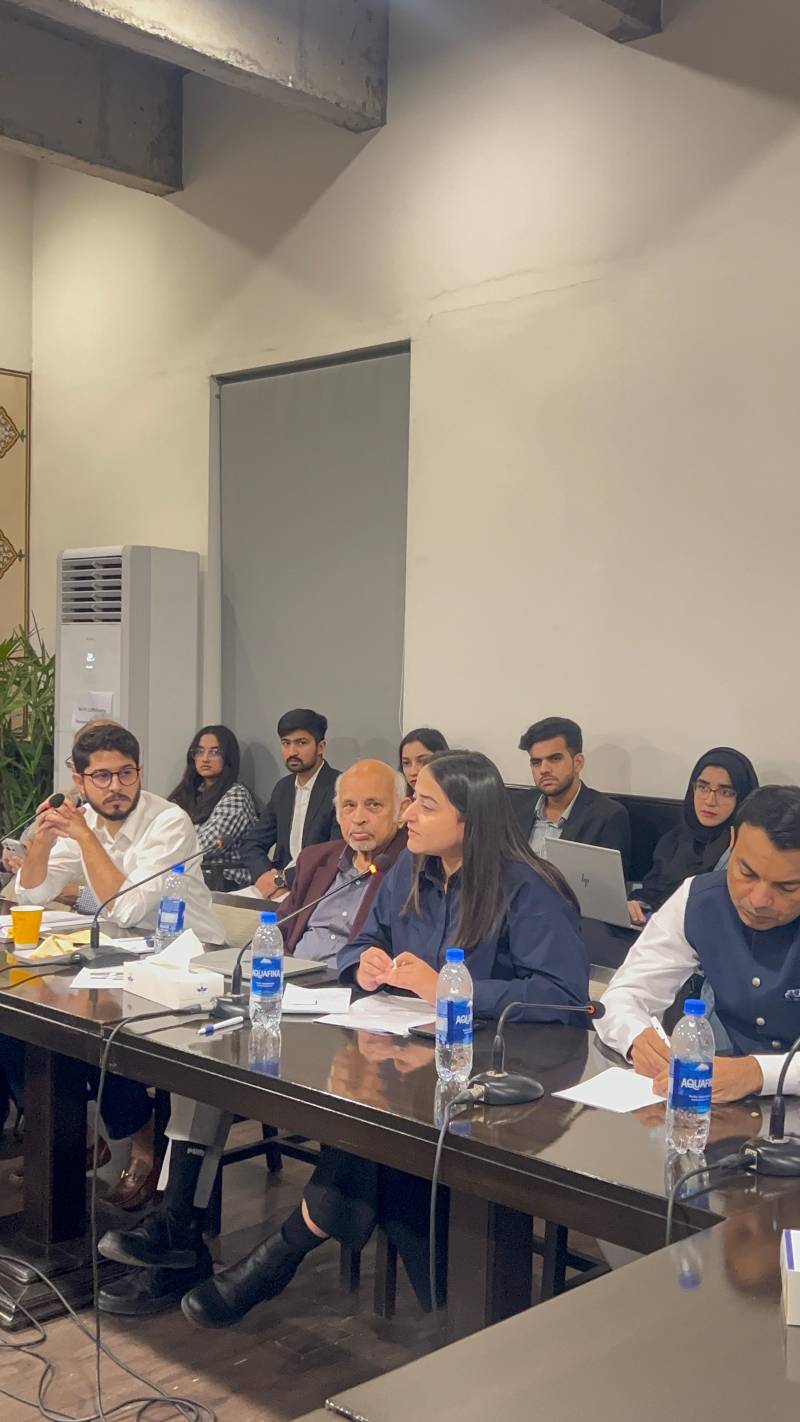
“For most commodities, farmers get even less than 50% of the market price, while for the end consumer, the inflation is making essentials out of reach.This raises a crucial question: what exactly is happening in the middle of our food supply chain?”, Dr. Afghan posed a very crucial question regarding the inefficiencies of the supply chain in Pakistan.
Beyond just access to food, the panelists talked about the quality of food available to individuals, and how it is harming the health and well-being of populations, especially in the rural areas. While Dr. Abid Burki made a convincing case regarding the lack of clean water and sanitation available to rural populations, Asim Mahmood further linked it to the production of food itself.
“On one hand, we are building cancer hospitals, while the factors that are causing cancer are simultaneously increasing. From the milk we drink to the vegetables we eat, everything is grown with toxins, lacking key minerals required by individuals”, he said.
How Do We Develop Resilient Food Systems?
After a detailed description of the different challenges that exist across the supply chain, the second part of the dialogue moved towards generating tangible solutions to ensuring affordability and sustainability in Pakistan’s food systems. Through a diverse panel involving Dr. Mahmood Ahmad from Rizq, Dr. Maham Ashfaq from GAVI, Munir Hussain Chopra from Punjab Food Authority and Faisal Hassan, a progressive farmer, the discussion focused on how to develop resilient food systems for Pakistan that can not only withstand rising climate change threats, but also ensure accessible nutrition to all members of the society.
Dr. Maham Ashfaq highlighted that the nutritional requirements for women remain largely under-addressed, which cyclically transforms into children. She further highlighted that in the coming months, the funds available for development sectors is expected to shrink, hence any solutions proposed need to be cost-effective and follow best practices of being targeted to the most vulnerable, integrated, and designed to fit into the reality of the most vulnerable communities. Fitting into this framework, the solutions proposed by the remaining panelists remained ones which were extremely crucial and tangible.
“The traditional way of doing agriculture is no longer sustainable. We need transformative solutions. We are in the age of Artificial Intelligence, and it is time to incorporate it into our agriculture to ensure we are moving towards efficiency and sustainability,” said Dr. Mahmood.
Munir Hussain Chopra from Punjab Food Authority briefed attendees regarding the actions being taken from the government regarding food security in Punjab. He informed people regarding the work being done by the developed nutritional wings which are specifically focusing on meeting the nutritional requirements of adolescent girls, along with advocacy on social media, as well as legal methods being devised collaboratively by Rizq and PFA.
A consensus was achieved regarding the role not only government bodies, but private sector, civil society, and research institutes need to play collectively to ensure that these proposed solutions are feasible, and are turned into a reality.
The policy dialogue served as a crucial catalyst to a discussion that can no longer take place in silos. A more informed, forward-looking view of food security, one that ensures Pakistan shifts towards modern practices in agriculture as well as different points of the food system, allowing nutritious food to become accessible to all.
Ending on a hopeful note, Faisal Hassan started, “farmers are extremely resilient. The worse a crop goes, the more effort we put into the next one.”