

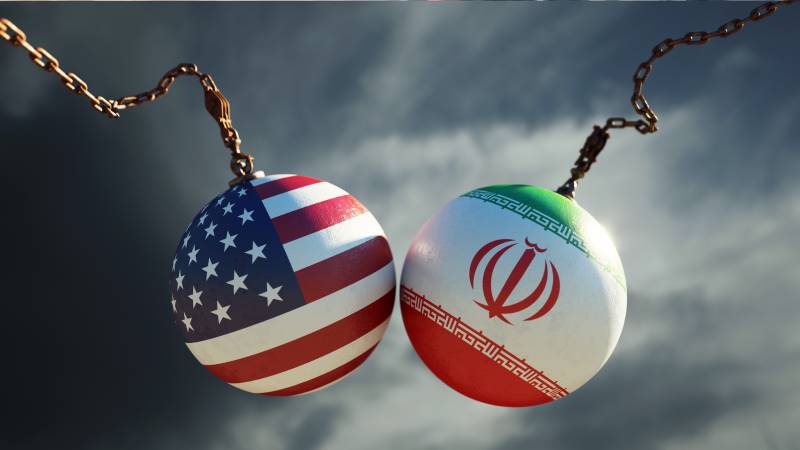
The quick removal of Venezuela’s President Nicolás Maduro by US forces has raised questions around the world. In a fast operation last weekend, American jets hit military sites near Caracas. Then, special forces took Maduro from his home. This came after months of CIA work in the city, with help from someone close to him. Venezuela’s army was weak, and allies like Russia and China did not step in. Now, as the world watches the installation of a transitional government in Caracas, whispers in Washington and Tel Aviv turn inevitably to Tehran: Is Iran next on the list for forcible regime change?
Iran faces real problems that could weaken its government. The economy is in a bad state, with high inflation making life hard for people. There are ongoing fights over Iran’s nuclear programme, which brings more pressure from outside. Also, Supreme Leader Ali Khamenei is in poor health, and questions about who will replace him could cause splits among leaders. These issues have led to protests, like those from shop owners in the bazaars. Last Saturday, Khamenei said the “bazaaris’ protest is a valid one” and that the government is working to fix it.
But history shows that attacks from outside often bring people together, not divide them. This happened last summer when Iranians did not turn against their leaders during tensions with Israel. Instead, they united. In the 12‑day conflict with Israel in June 2025, many Iranians saw it as a fight for their country, not just government mistakes.
If the US tries to change Iran’s government by force, it could lead to big problems. It might start a civil war inside Iran, with different groups fighting each other
Taking over Iran would not be as easy as in Venezuela. It would be much harder than even the Iraq war in 2003. Iran’s land is full of mountains, and its cities are large and spread out. Any invasion would face tough fights in cities and rough areas. Also, China and Russia see Iran as a key friend, more important than Venezuela. They would likely give Iran advanced weapons, intelligence, and support in world talks.
What made the Venezuela operation work does not fit Iran. In Caracas, the CIA had time to plan for six months and had inside help to find Maduro. The army there was falling apart, and no big allies helped. But Iran showed its strength in the recent fight with Israel. That short war highlighted some weak points, like in air defence, but also proved Iran’s ability to fight back and adapt quickly.
If the US tries to change Iran’s government by force, it could lead to big problems. It might start a civil war inside Iran, with different groups fighting each other. Ethnic groups like Kurds or Baloch could rise. The chaos could spread to nearby countries, block oil routes in the Strait of Hormuz, and cause more refugees. It might even boost extreme groups, like what happened after Saddam Hussein fell in Iraq.
In my view, thinking Iran is “next” after Venezuela is a mistake. The situations are too different. The costs would be huge, and it could pull in other big countries like China and Russia. If President Trump pushes for this, it might create a long mess in the Middle East. Past actions, like the 1953 coup in Iran or recent wars, show that force often leads to more trouble.