

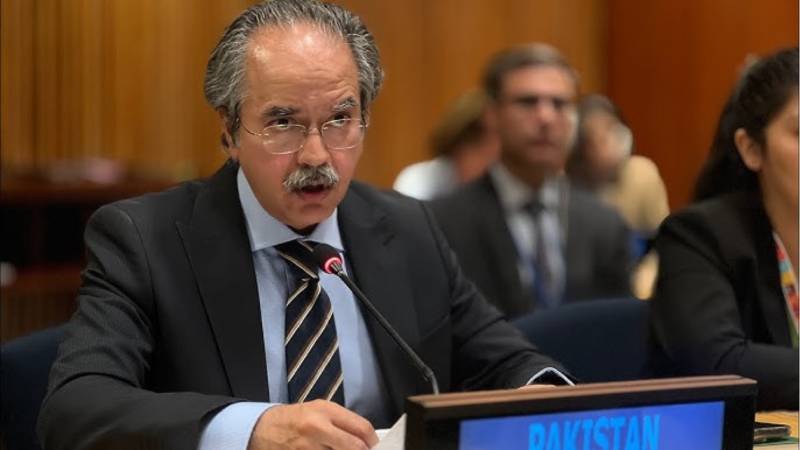
Pakistan has assumed the rotating presidency of the United Nations Security Council (UNSC) for the month of July 2025, marking a significant diplomatic milestone at a time of rising global instability. This presidency comes during Pakistan’s eighth term on the 15-member body and offers Islamabad a symbolic but influential platform in shaping international peace and security discourse.
While the UNSC presidency is a procedural role that rotates monthly among its members, it provides the presiding country with the ability to steer the agenda, convene meetings on urgent issues, and influence the tone and direction of debates. In the current global climate—marked by ongoing armed conflicts, deepening geopolitical divisions, and a growing crisis of credibility surrounding multilateral institutions—Pakistan’s presidency comes at a moment of both opportunity and responsibility.
This development also underscores Pakistan’s broader commitment to multilateralism and global engagement. The Security Council, with its five permanent members and ten non-permanent seats, is the UN’s most powerful body. Its ability to issue binding resolutions, impose sanctions, and authorise military interventions makes it central to the architecture of international peacekeeping. As a non-permanent member for the 2025–2026 term, Pakistan’s participation is critical at a time when the Council is facing internal gridlocks over major crises such as those in the Middle East and Eastern Europe.
Assuming the presidency, Pakistan is expected to prioritise inclusive dialogue, peaceful conflict resolution, and equitable representation of developing nations’ concerns on global security matters. It is also anticipated that Pakistan will highlight key issues of regional significance while advocating for broader reforms within the Security Council framework.
In a parallel diplomatic achievement, Pakistan has also secured leadership at the United Nations Industrial Development Organization (UNIDO). Ambassador Kamran Akhtar has been elected President of the 53rd session of UNIDO’s Industrial Development Board, making it the first time a Pakistani diplomat has held the prestigious position.
This election reflects Pakistan’s active engagement with UNIDO and its growing role in promoting inclusive and sustainable industrial development. With one of the largest project portfolios at UNIDO—valued at over €350 million—Pakistan has collaborated on numerous initiatives across sectors such as textiles, leather, food safety, fisheries, renewable energy, and climate resilience.
These projects have played a critical role in poverty alleviation, job creation, and strengthening rural economies, particularly through landmark programmes like PAIDAR and PAFAID. Pakistan’s leadership at UNIDO is expected to further elevate its voice on industrial development in the Global South, particularly in supporting Least Developed Countries (LDCs) and Small Island Developing States (SIDS).
Together, these two developments mark a moment of renewed diplomatic visibility for Pakistan. As the country navigates complex global dynamics and seeks to project itself as a responsible stakeholder in international governance, its roles at both the UNSC and UNIDO signal a commitment to constructive engagement, principled leadership, and multilateral cooperation at the highest levels.