

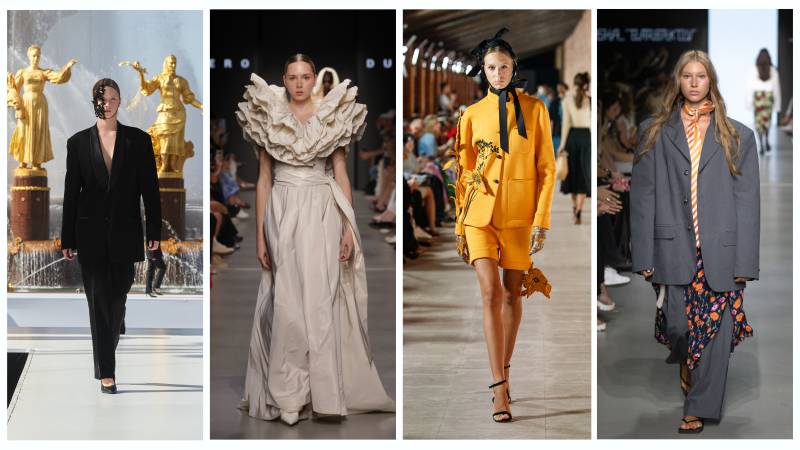
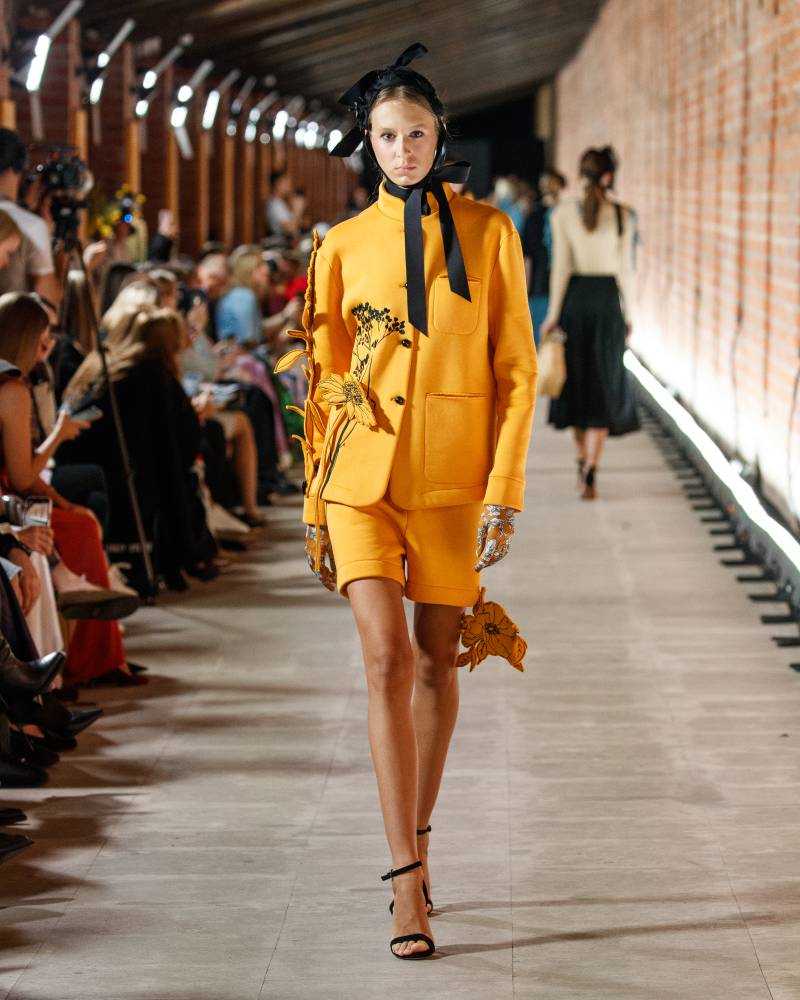
Attending Moscow Fashion Week this season was a revelation. The event showcased an extraordinary diversity of voices, from South Africa to Spain, from Siberia to the Caucasus, and each collection carried its own cultural weight and creative language. Out of the many impressive showcases, these 10 designers stood out for their vision, storytelling, and craftsmanship.
1. David Tlale (South Africa)
South African powerhouse David Tlale brought not one, but two strikingly different collections. Bhabha floated in tones of beige and white, its swallow motifs gliding across garments with a sense of serenity. Then came Phenduka, a complete shift into drama. Blacks and graphite ruled, with lace, metallics, and abstract splashes adding energy to asymmetrical silhouettes. Tlale’s ability to balance calm and chaos left a deep impression.
2. Sasha Barbakov (Moscow)
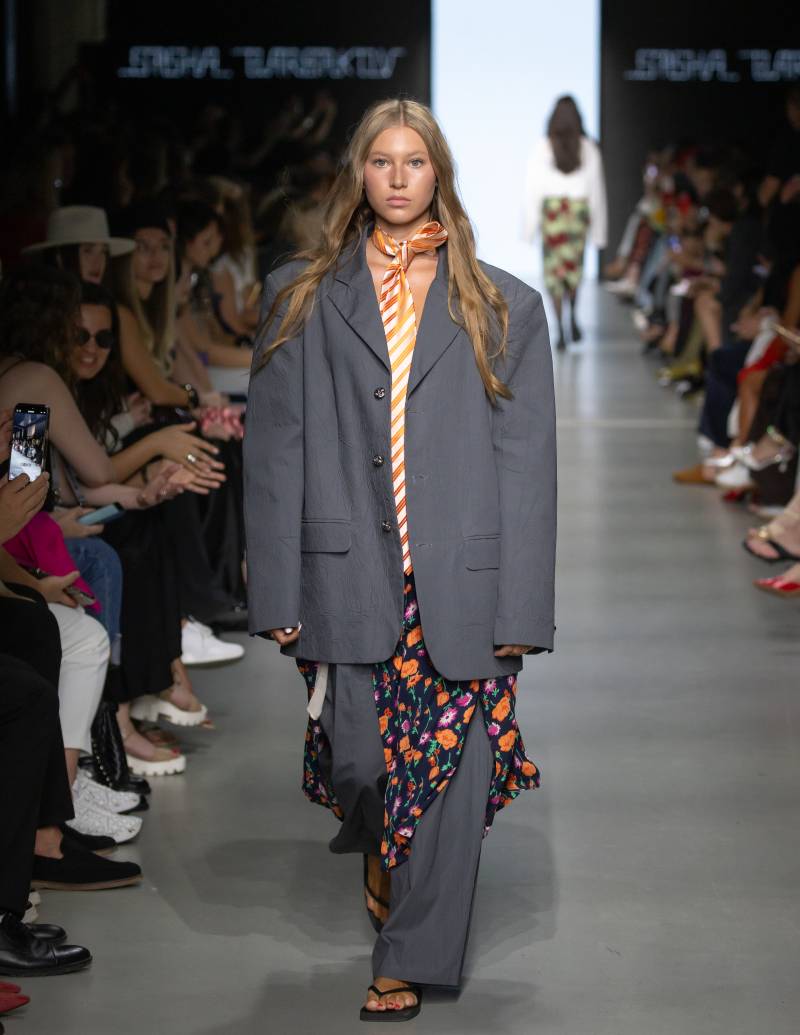
With Gardens Bloom in the Soul, Sasha Barbakov turned personal memory into fashion poetry. Inspired by his grandmother’s garden and the Soviet-era fabrics she wore, his work was both nostalgic and tender. Flowers cascaded across skirts, bustiers, and dresses, sometimes printed, sometimes blooming as three-dimensional lace. This wasn’t just clothing; it was memory woven into fabric.
3. Katler (Omsk)
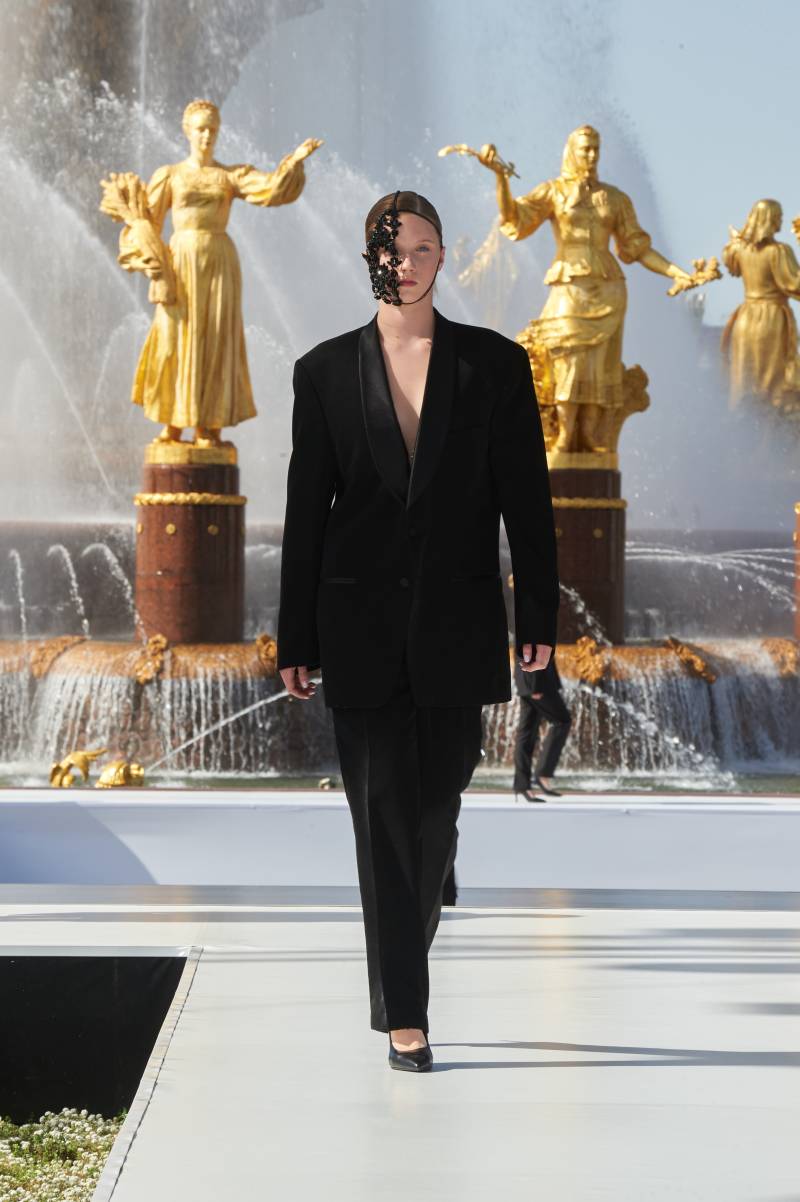
At VDNH, Siberian brand Katler made sustainability elegant with their Reimagine collection. At first glance, it seemed like a line of black tuxedos, but every piece held unique surprises: dusty pink scarves tucked into pockets, capes with bold accents, intricate cutouts. What looked uniform was actually a study in individuality, constructed through different fabrics and techniques. A perfect example of upcycling elevated to high fashion.
4. Duly Romero (Spain)
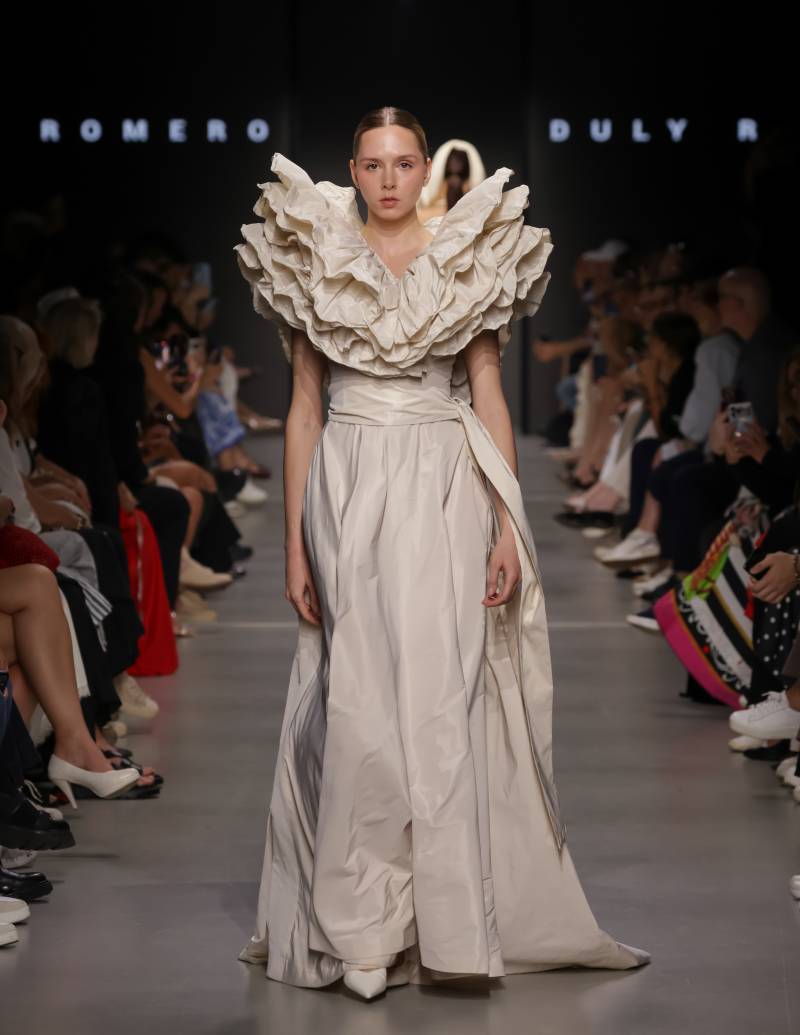
Spanish label Duly Romero delivered a garden in full bloom. Mini dresses shaped like petals, feather details, pastel tones, and taffeta flourishes combined to create a hyper-feminine world. The collection was romantic yet playful, as if spring itself had walked down the runway.
5. Li Lab (Moscow)
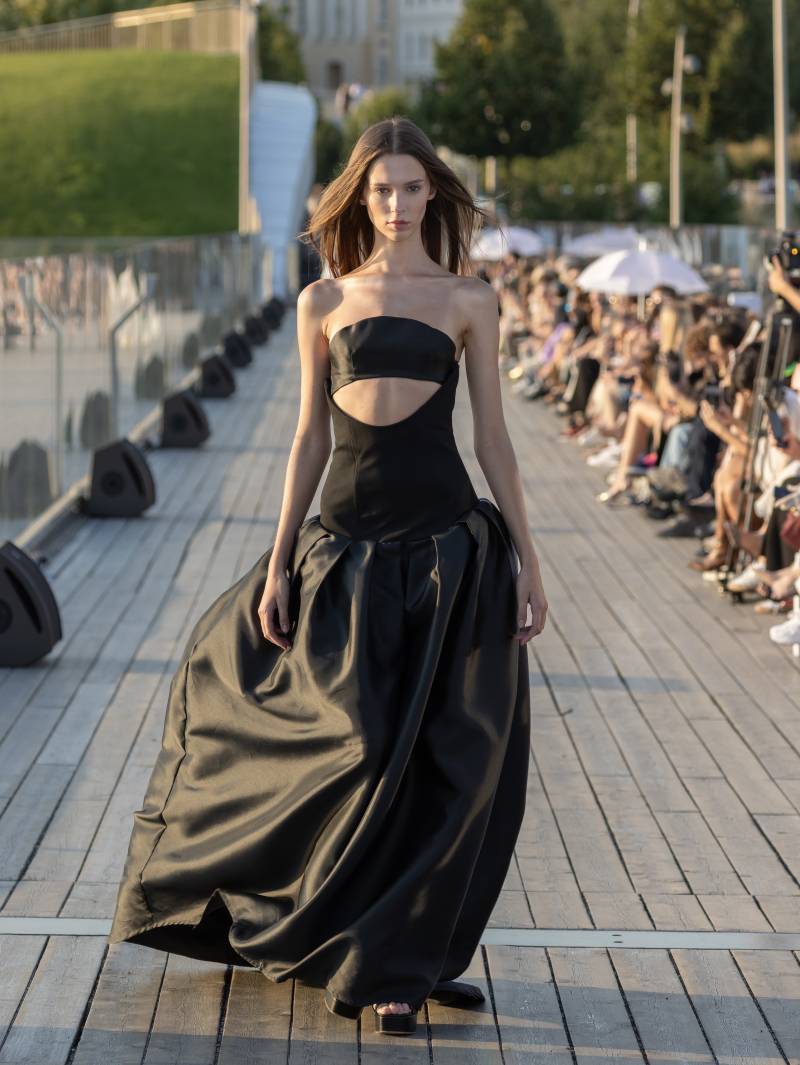
Staying true to its philosophy of dominance through black, Li Lab offered a masterclass in cutting-edge tailoring. Maxi dresses with bold slits, asymmetric minis, jacket-dresses with cinched waists, each piece demanded attention. With high-quality fabrics and flawless execution, the brand proved once again why black never loses its power.
6. Ogo Citizen (Yakutsk)
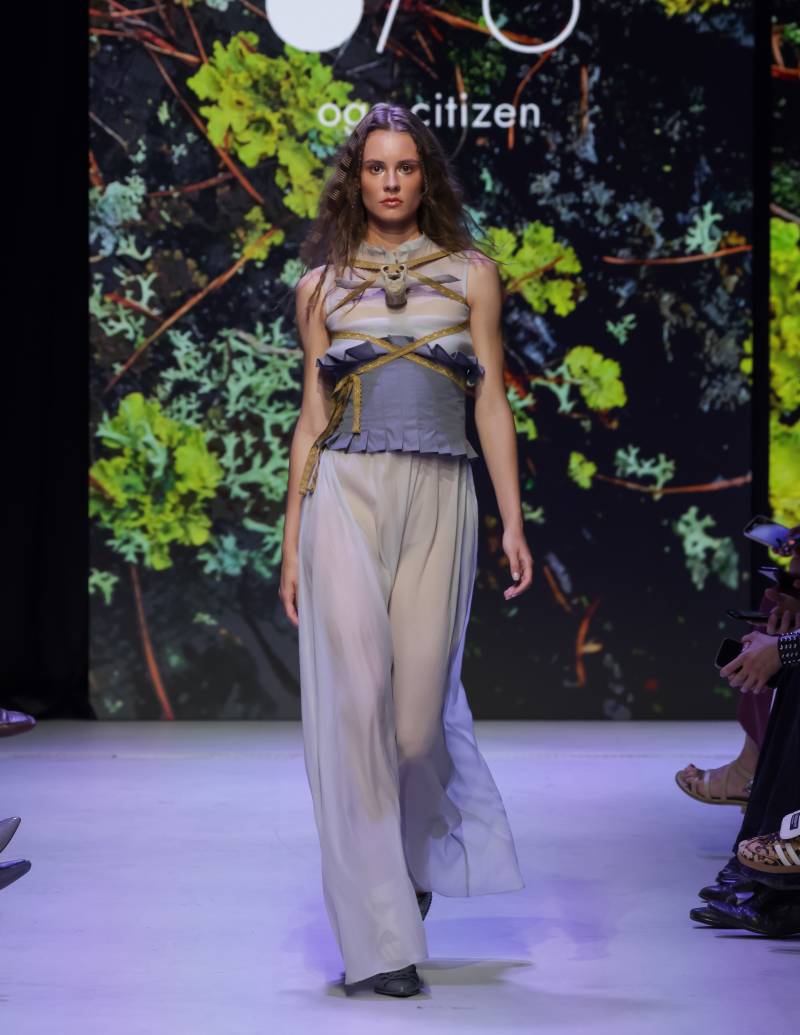
Yakutian brand Ogo Citizen embraced disorder as art with its collection Kubuļuyuu (transformation). Distorted sleeves, unraveling seams, sculpted spine-like tops, and corset-armor pieces blurred the line between body and garment. Muted beiges clashed with coal black, with sudden color jolts keeping the eye alert. It was chaotic, yes, but intentionally so, and deeply compelling.
7. Vira Plotnikova (Yekaterinburg)
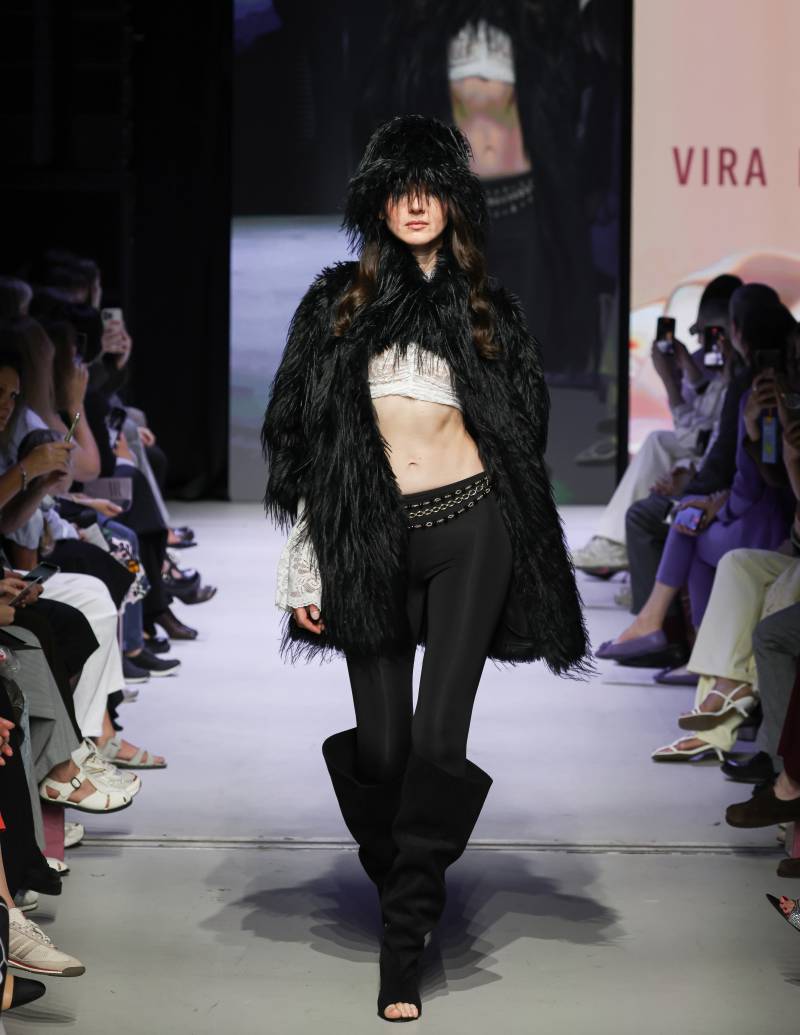
Vira Plotnikova, a pioneer of sustainable luxury. Her signature Merino WoolFur took center stage in the Diva collection, which celebrated style icons from bohemians to digital divas. Flowing faux-feather coats, tailored fur suits, oversized beads, and dramatic jabots made this one of the most innovative takes on luxury I saw all week.
8. Kodzati (Vladikavkaz)
From the Caucasus, Kodzati unveiled Nā-Eta’at (The Unconquered), a collection that merged tradition with modernity. Circassian-inspired silhouettes appeared alongside sheer maxi skirts, fitted pants, and chainmail-style details. Executed in earthy neutrals, the pieces carried both resilience and refinement, like a dialogue between heritage and the present.
9. Shantnu & Nikhil (India)
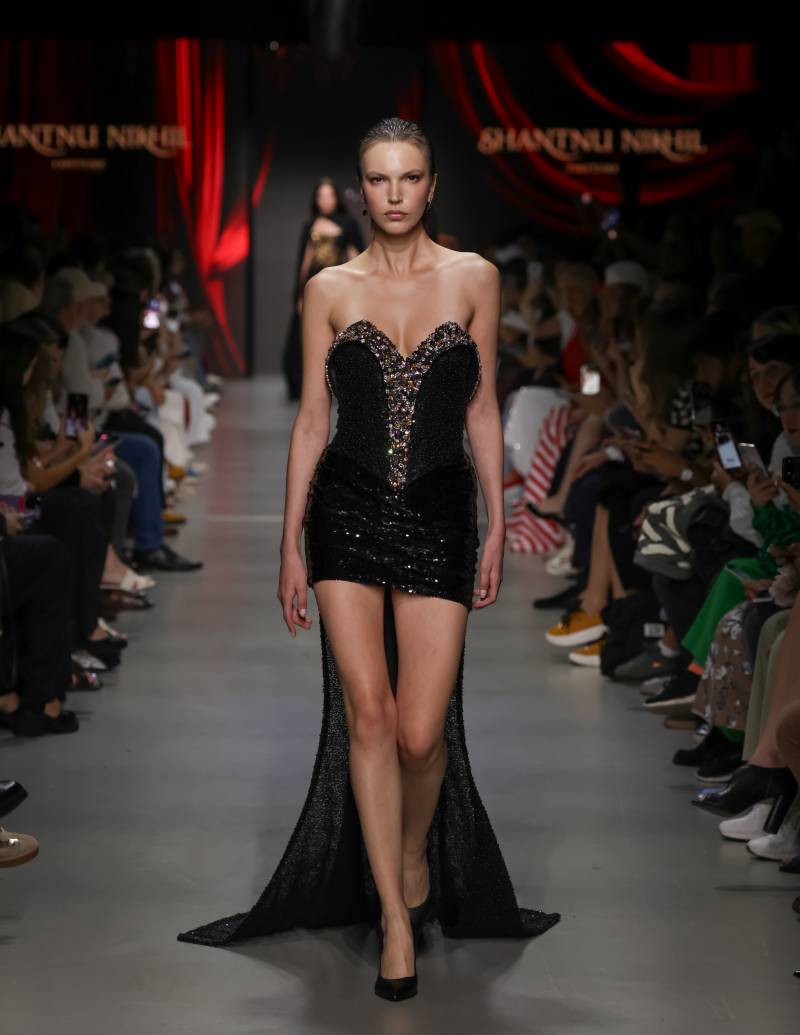
Indian couture duo Shantnu & Nikhil brought a dramatic showcase titled Armouré. Blending 1930s glamour with Renaissance flair, they delivered corseted evening dresses, gold-threaded fabrics, theatrical gloves, and sculptural knitwear. The collection carried a regal energy, a reminder of how history and modernity can merge to produce true luxury.
10. Sergey Sysoev (Moscow)
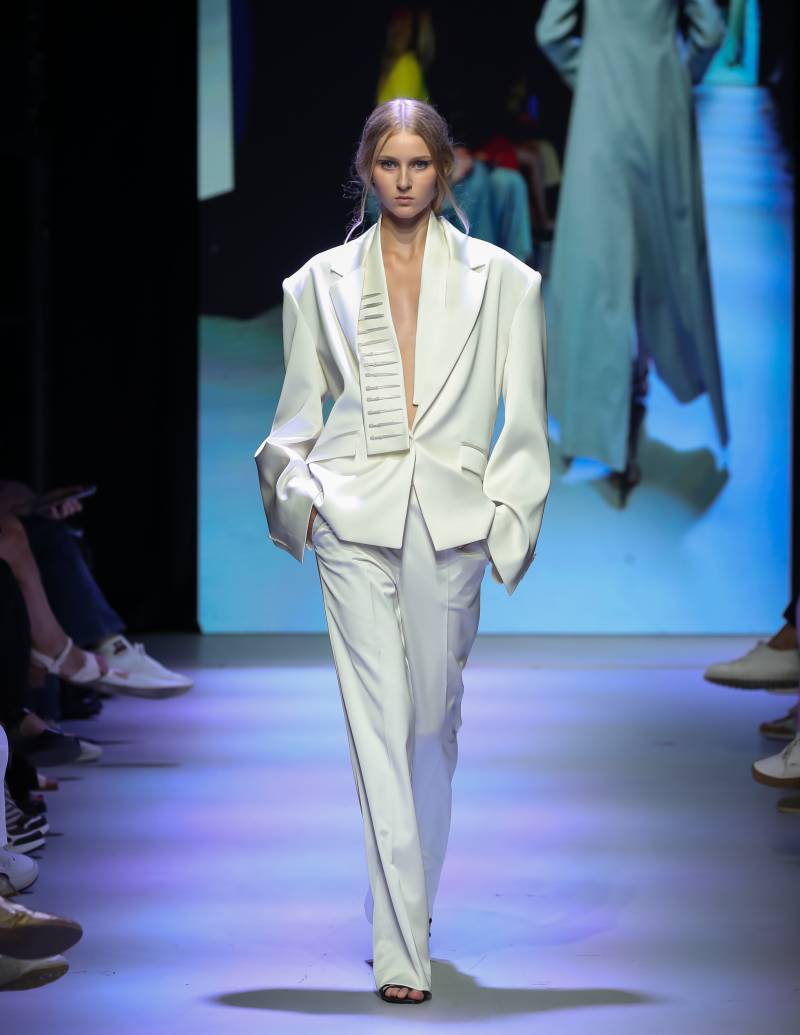
Closing out the highlights is Sergey Sysoev, whose collection proudly showcased Ivanovo’s craftsmanship. Produced entirely in the region, the line mixed comfort with constructivist flair. Hoodie-jackets, scarf-tops, and trench dresses, all in monochrome, felt wearable yet conceptually strong, a fresh interpretation of Russian heritage through modern design.
From bold experimentation to deeply personal storytelling, Moscow Fashion Week 2025 proved that fashion is more than clothing — it’s memory, identity, resistance, and renewal. These ten designers demonstrated how cultural roots and global influences can merge into collections that speak not just to Moscow, but to the world.