

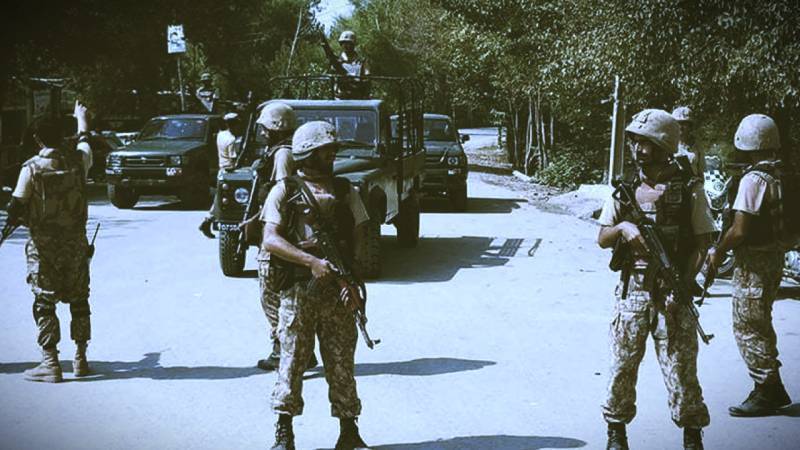
In 2025, Pakistan remains one of the worst-hit countries by terrorism, facing threats from both jihadist organisations and nationalist-separatist movements. The recent attack on the Jaffar Express in Balochistan, the assassination of Darul Uloom Haqqania’s vice chancellor in Nowshera, the killing of Lashkar-e-Islam’s Mufti Muneer Shakir in Peshawar, and the murder of a senior JUI-F politician in Balochistan serve as stark reminders of the evolving and expanding nature of this menace.
The current wave of terrorism is multi-faceted and multi-dimensional. No longer confined to targeting police and military personnel, terrorists have extended their reach to religious scholars and civilians, creating an environment of fear and instability. This shift highlights the urgent need for a comprehensive and decisive response from the state.
At the recent National Security Meeting, there was consensus on the need for collective action and a shift toward becoming a hard state. However, several critical questions remain unanswered. Will the state abandon its past policies of appeasement and negotiations with terrorists? Previous regimes have displayed a soft corner for the Taliban, even proposing amnesty for former leaders and facilitating their reintegration into society. Unfortunately, many of these re-integrated individuals have re-emerged as threats, contributing to the current surge in attacks.
Pakistan must adopt a consistent stance, supporting only a government in Afghanistan that emerges through the will of the Afghan people rather than through proxies
Another pressing concern is whether the state’s counterterrorism approach will differ this time. Will the general public, particularly the people of erstwhile FATA, once again bear the brunt of counterterrorism efforts, becoming internally displaced across the country? Will the strategy rely solely on intelligence-based operations, a full-fledged military offensive akin to past campaigns, or an entirely new approach?
Crucially, the success of any military operation hinges on public support. The state must communicate its counterterrorism strategy to the people, ensuring their backing. Without national consensus, no operation can be successful. The contradiction in Pakistan’s policies—openly supporting the Taliban in Afghanistan while resisting them in Pakistan—makes little sense. A coherent Afghan policy is essential. The Taliban, regardless of their geographical location, represent the same ideology, and distinguishing between them is both dangerous and counterproductive. Pakistan must adopt a consistent stance, supporting only a government in Afghanistan that emerges through the will of the Afghan people rather than through proxies. This approach is necessary for long-term regional stability.
Equally significant is the growing discontent in erstwhile FATA and Balochistan, particularly among the youth, who are raising legitimate grievances. How will the state respond to their concerns? Any non-violent movement emerging from any part of the country should be dealt with peacefully. The state must adopt a maternal approach, addressing these grievances and ensuring the full integration of marginalised communities into mainstream society. Repression and militarisation will only exacerbate alienation and fuel further unrest.
With political instability at its peak, terrorism threatens to drag Pakistan back to the crises of the late 2010s. The stakes are higher than ever. It is imperative for politicians, policymakers, and power circles to set aside their differences, critically analyse these pressing questions, and formulate a decisive, unified strategy.
The youth of Pakistan, yearning for peace and stability, deserve a future free from fear. Nations that rise in times of adversity, confront challenges head-on, and unite against common threats emerge stronger and more prosperous. The time to act is now.