

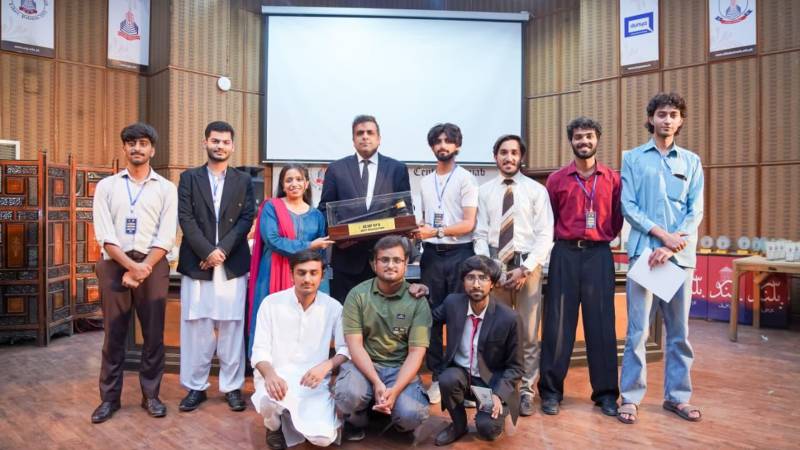
The ICC UCP organised Youth Leadership Parliament IV bringing five committees to discuss the most pressing policy challenges in Pakistan. Last week a group of university students did something unconventional in a city more accustomed to political theatre than participatory governance. They sat down, took the role of federal ministers and attempted to tackle the problem of youth unemployment in Pakistan without a single algorithm to ease the burden.
It was the fourth edition of the Youth Leadership Parliament (YLP IV) conference organised by the International Crisis Chamber at the University of Central Punjab (ICC UCP) in Lahore. Now in its fourth year, the conference has grown into one of the city's more substantive youth policy platforms, and this edition was its most ambitious yet.
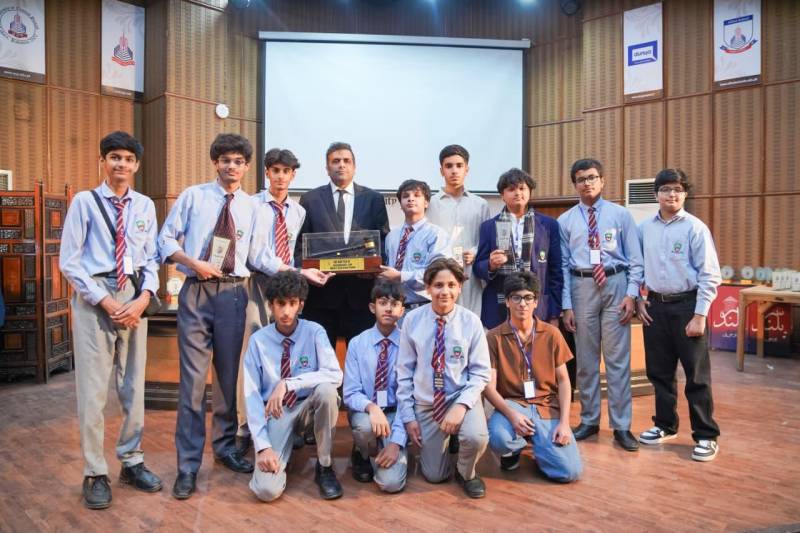
ICC UCP has gained a reputation for organizing serious policy debate by students, moving YLP IV along in five different committees with specific and consequential through-lines. As a first in the history of YLP, it was a Federal Cabinet Committee that served as the centre piece. Ministerial portfolios were allocated to the delegates, and they were provided with a specific question to answer in a policy brief, which was: How to tackle youth unemployment in Pakistan? Critically, the committee did not use AI tools to facilitate a research or analysis process, nor did it have AI tools for drafting the work, meaning that the document had a quality which is earned and propelled by the delegates' own expertise and abilities.
What ensued wasn't quite a Model UN session, but a working session. Delegates questioned the allocation of funds between ministries, cross-examined the success and discussed other issues, including the proper part for the State and for the private sector. The ideas that were put forward include state-run vocational training, incorporating digital skills into the school curriculum, and systems of incentives for employment by the private sector were not unfamiliar, but the rigour with which they were reached was notable.
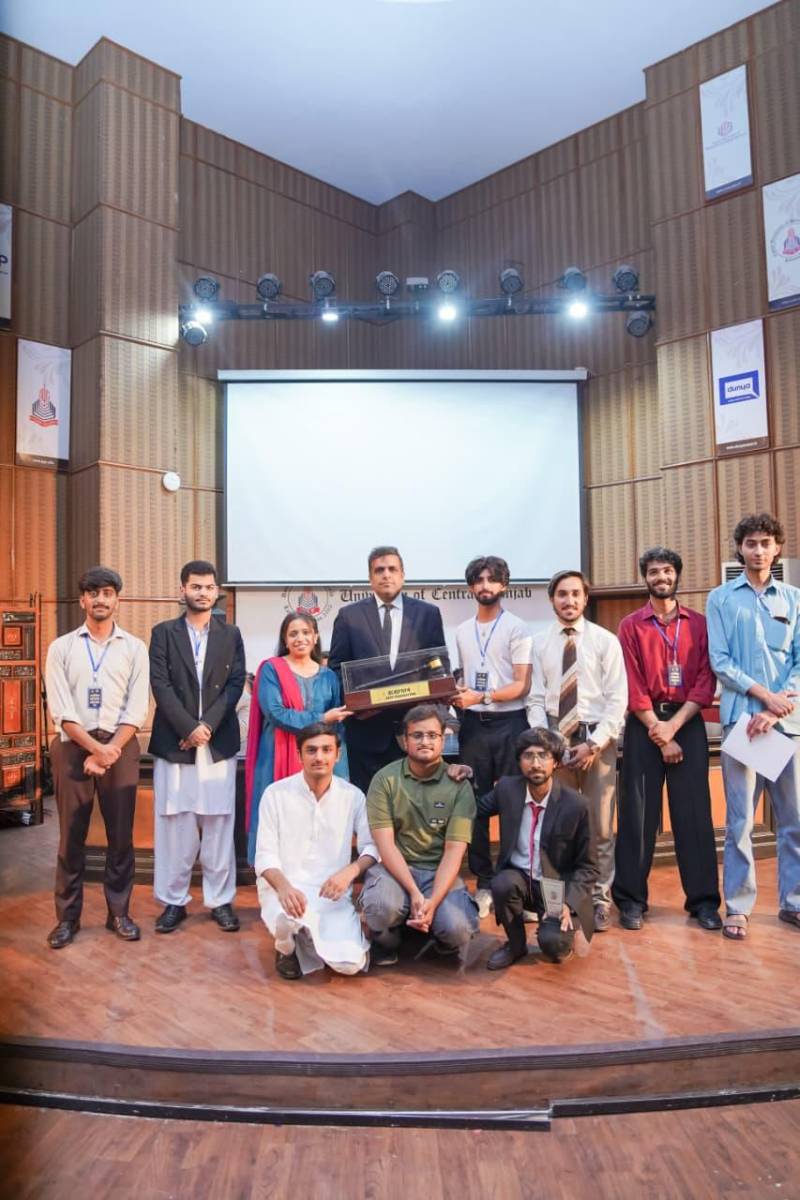
The most crucial observation to emerge was structural. Delegates concentrated on the informal economy in Pakistan, which according to most estimates is the main source of livelihood for 70-80 percent of the workforce population. The committee put formalisation as a precondition for any feasible employment strategy. Arguing that without bringing informal workers into the documented economy, revenue for skills programmes and social protections would remain chronically insufficient.
The agenda of Pakistan National Assembly (PNA) brought more technical demands to the table. Reforming Pakistan's energy sector to overcome the challenge of energy shortage, stabilise energy tariffs and improve energy sustainability. Delegates went through the labyrinths of structural inefficiency of energy distribution companies, fuel dependency and circular debt. Their recommendations were mostly geared towards a longer-term strategy of stepping up investment in renewables, modernisation of the grid, and governance reforms. Whether these changes are likely to be politically affected is another question, but it is remarkable that students would be making a discussion of them with this much specificity.
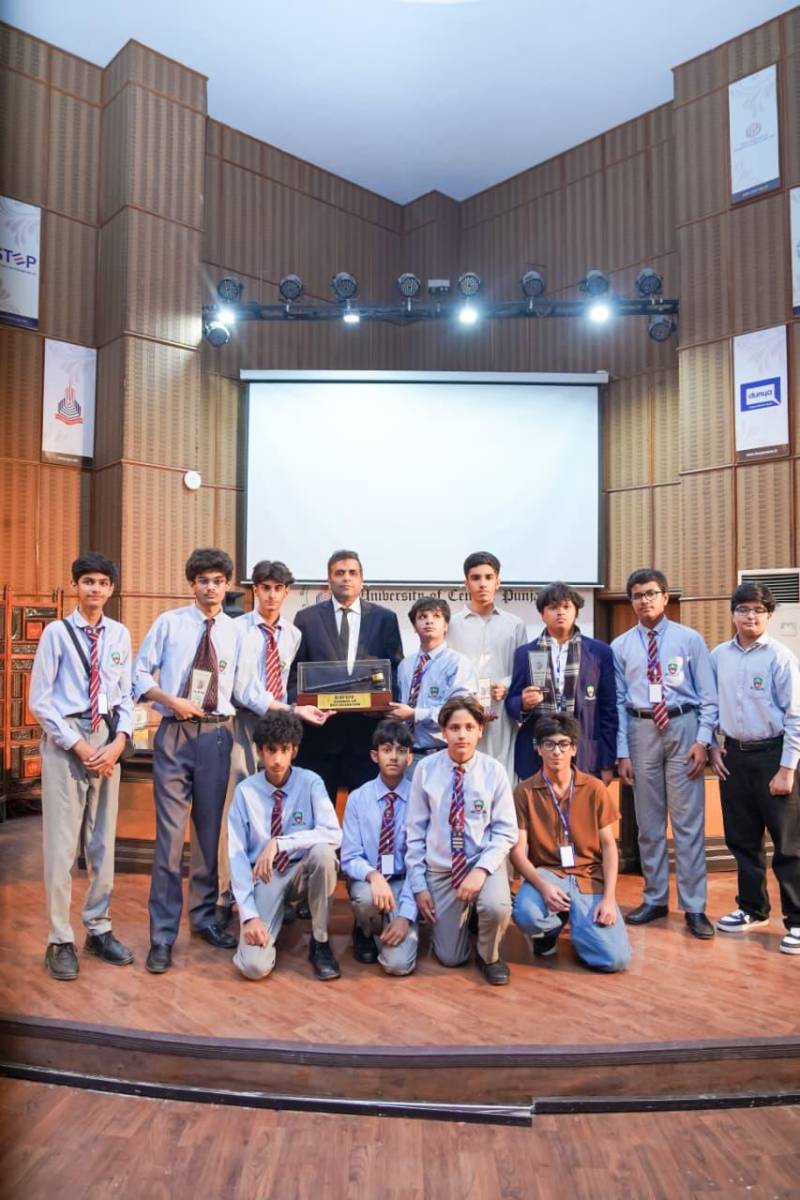
The Legal Affairs Committee took on one of Pakistan's more delicate institutional challenges in Pakistan which is strengthening the protection of women property rights as well as marriage rights, considering the effect on its legal, cultural and religious frameworks. Delegates recognized that while there were more laws in place to protect women's rights, there were fewer mechanisms for implementation, and called for improved mechanisms and innovative interventions such as a computer system to document women's rights to land, which customary laws have traditionally failed to capture.
The conference was endowed with its geopolitical and security aspects by another two committees. The Foreign Affairs Committee discussed Pakistan's foreign policy stance in the changing dynamics of U.S.-Iran relations and its implications for Pakistan's national security. The question is Pakistan has a long border with Iran, depends on a security relationship with the United States, and has historically struggled to avoid being forced to choose between the two. Delegates were asked to assess that position with clear eyes. A task that required them to move well beyond textbook non-alignment.
The Crisis Committee, operating under the name of Bunyan Marsoos, which is a Quranic phrase that means unity and structural strength, acted as the high-pressure situations they were undergoing involved internal and regional security, requiring swift decisions to be taken with the coordination of several countries. The format, by design, strips away deliberation time and tests how well-prepared participants are to navigate situations where information is incomplete, stakes are high, and the cost of indecision is real.
Youth conferences in Pakistan are not uncommon. The difference between better and the purely ceremonial is whether the participants leave with any real questioning or understanding of the substance of the problems which they have discussed. If one were to judge by this factor, then YLP IV and the institutional agenda on which it was built, ICC UCP made a credible case for itself.
The issues at the table will not be addressed in a conference hall. But the habit of thinking about them seriously, the testing of proposals against what is possible, against resistance cultivating this habit of critical thinking early is essential. The responsibility for an argument should be based on the quality of the argument, not on the confidence of the argument. The students in Lahore last week appeared to understand that.