

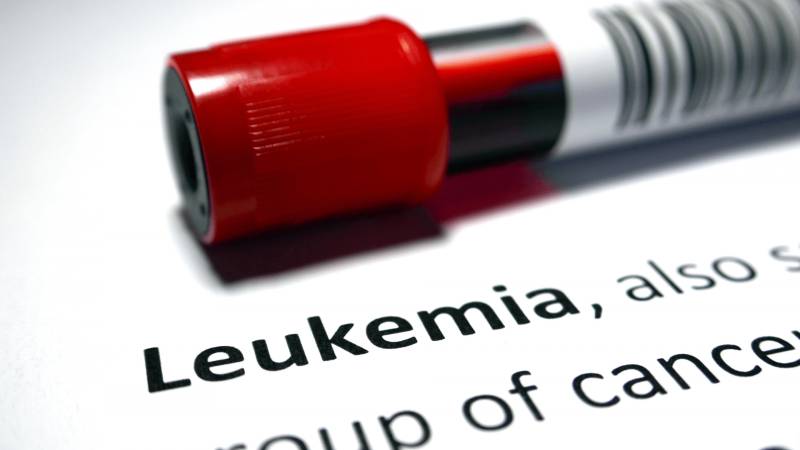
Leukemia is a silent, unforgiving disease that often creeps up unnoticed, robbing individuals of time, health, and, in some cases, life itself. Many who develop this blood cancer do not recognise the early warning signs—fatigue, frequent infections, unexplained bruising—until the disease has reached an advanced stage. By then, the fight is no longer just about treatment but about survival itself. The journey from an undiagnosed condition to a life-altering diagnosis is not just a medical battle but an emotional and psychological struggle, reshaping lives in ways few can prepare for.
A major problem with leukemia is its subtle onset. Unlike cancers with visible tumors or severe pain, leukemia primarily affects the blood and bone marrow, disrupting the body's ability to produce healthy blood cells. Symptoms are often mistaken for minor illnesses, leading to delayed diagnosis and poorer outcomes. According to the American Cancer Society, many leukemia patients are diagnosed incidentally when undergoing routine blood work or seeking medical care for unrelated concerns. This delay in diagnosis drastically reduces treatment effectiveness, making early awareness and screenings crucial.
Imagine going about your daily life, thinking that the tiredness you feel is just due to overwork or that the bruises on your body are from minor accidents. Then, suddenly, a doctor tells you that your blood is no longer functioning properly, that your immune system is failing, and that you have cancer. It is a moment of utter disbelief, a point where reality shifts in an instant.
Leukemia patients often describe their diagnosis as surreal. One day, they are planning their future, and the next, they are faced with chemotherapy schedules, bone marrow biopsies, and discussions about survival rates. The emotional toll is devastating—not just for the patients but also for their families, who must watch their loved ones suffer through the physical and psychological agony of cancer. A report from the National Cancer Institute notes that a significant number of leukemia patients experience extreme emotional distress post-diagnosis, requiring psychological support to cope with the overwhelming news.
Leukemia treatment is brutal. Unlike localised cancers that may be treated with surgery, leukemia requires systemic therapies that affect the entire body. Chemotherapy, the most common treatment, is aggressive, attacking both cancerous and healthy cells. Patients suffer from nausea, vomiting, hair loss, extreme fatigue, and immune suppression, leaving them vulnerable to infections. According to the Mayo Clinic, many leukemia patients also experience "chemo brain"—a condition that impairs memory and cognitive function even after treatment has ended.
The journey from diagnosis to treatment and beyond is one of the most grueling battles a person can face, marked by physical pain, emotional distress, and a complete upheaval of life as they knew it
Radiation therapy, used in some cases, can further weaken the body, causing severe side effects such as skin burns, organ damage, and chronic pain. For those requiring bone marrow transplants, the journey is even more grueling. The process involves wiping out the existing bone marrow with high-dose chemotherapy and radiation, essentially destroying the immune system before replacing it with healthy donor cells. Recovery can take months or even years, with the constant fear of rejection or relapse looming over survivors.
Leukemia does not just ravage the body—it also takes a severe toll on mental health. Depression and anxiety are common among patients undergoing treatment. The uncertainty of survival, the physical suffering, and the financial burden create a cycle of stress that is difficult to escape. The National Comprehensive Cancer Network reports that more than half of cancer patients experience some form of psychological distress, with leukemia patients at a particularly high risk due to the intensity of their treatment.
The emotional trauma extends beyond patients to their families. Parents of children diagnosed with leukemia often struggle with feelings of helplessness and guilt, while spouses of adult patients bear the weight of financial instability and emotional exhaustion. Cancer does not just affect the person diagnosed—it disrupts entire family structures.
For those who make it through treatment, life after leukemia is a new and unfamiliar reality. Many patients suffer from long-term side effects such as chronic fatigue, weakened immune function, and neurological issues. Some develop post-traumatic stress disorder (PTSD), haunted by memories of hospital stays and the constant fear of relapse. According to the Leukemia & Lymphoma Society, nearly 30% of leukemia survivors experience lingering physical complications that affect their quality of life.
Returning to "normal" is often impossible. Many survivors find that their perspectives on life have changed. Some become more appreciative of every moment, while others struggle to reintegrate into society. Jobs that once seemed easy now feel exhausting. Once stable relationships may become strained due to the emotional scars left behind by cancer. The road to recovery is not just about regaining physical health but about learning to live with a new version of oneself.
The tragic reality of leukemia is that many cases could be diagnosed earlier if people were more aware of the symptoms. Fatigue, unexplained bruising, frequent infections, and prolonged bleeding are not just signs of a weak immune system—they could be indicators of a serious disease. Regular blood tests, especially for those with a family history of blood cancers, can make the difference between catching leukemia at an early, treatable stage or discovering it when it is already advanced.
Public health campaigns play a vital role in educating people about leukemia. However, many regions, particularly in developing countries, lack access to proper screening and early diagnosis programs. Efforts must be made to improve awareness and healthcare accessibility so that more people can detect leukemia before it reaches a critical stage.
Despite the grim nature of leukemia, medical advancements continue to offer hope. Targeted therapies, immunotherapy, and stem cell research are revolutionising the way leukemia is treated, making treatments more effective and less harsh on the body. Clinical trials have introduced promising new drugs that attack cancer cells with greater precision, reducing the side effects associated with traditional chemotherapy.
Organisations such as the Leukemia & Lymphoma Society and the American Cancer Society are actively funding research to develop better treatments and provide support for patients and their families. Their efforts, combined with the resilience of patients and the dedication of healthcare professionals, continue to push the fight against leukemia forward.
Leukemia is a devastating disease, not only because of its deadly nature but because it often remains hidden until it is too late. The journey from diagnosis to treatment and beyond is one of the most grueling battles a person can face, marked by physical pain, emotional distress, and a complete upheaval of life as they knew it.