

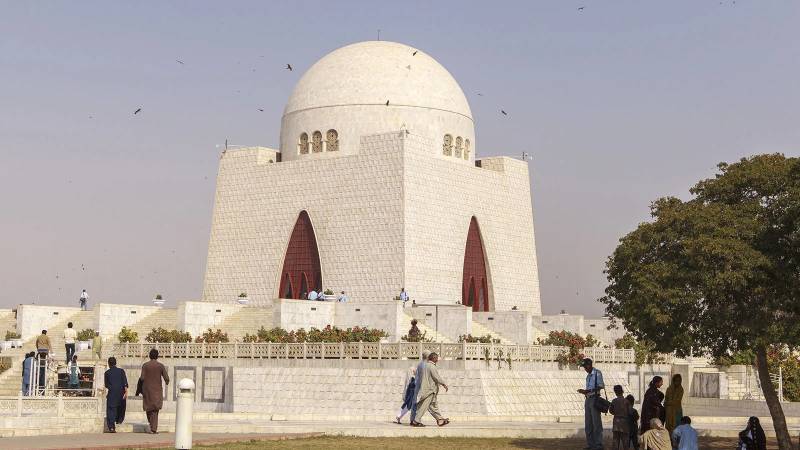
Karachi, the economic hub of Pakistan, is facing a growing housing crisis. With a population exceeding 20 million, Karachi is one of the most crowded cities in the world. Each year, thousands of people migrated here from smaller towns and rural areas in search of jobs, education, and a better life. But the city has not grown in a planned way. It does not have enough affordable housing for all the people who live here, especially those from lower-income groups. This crisis is getting worse day by day and needs immediate attention from the government, the private sector, and civil society.
One of the main reasons for this crisis is the rapid population growth. Karachi’s population has been increasing quickly, but the number of new homes being built has not kept up. Many new housing projects are too expensive for most people. The prices of apartments and houses are rising, and only the rich or upper-middle class can afford them. Poor and working-class families are forced to live in crowded slums or illegal settlements. These areas often do not have clean water, proper sanitation, electricity, or waste management. The living conditions in these areas are unhealthy and unsafe, especially for women, children, and the elderly.
Another problem is the lack of proper planning. For many years, the city has grown without a clear master plan. Builders have constructed luxury housing projects, gated communities, and shopping malls, but there has been little focus on low-cost housing schemes. Much of the land is controlled by different government departments or the armed forces, which makes it difficult to use it for public housing projects. Also, the land records are not properly updated, leading to disputes and corruption in land transactions.
A large part of Karachi’s population works in the informal sector and earns daily wages. These people do not have access to bank loans or housing finance. Without formal income documents or job security, they are not seen as “credit-worthy” by banks. As a result, they cannot buy even low-cost homes. Many families are forced to live in rented rooms in poor neighborhoods, where the rents are high, and the quality of housing is poor. In some areas, three or four families share one apartment. This overcrowding leads to stress, health problems, and a lack of privacy.
The government can also offer land to private builders at low rates, with the condition that they build a certain number of affordable units
To solve this growing housing crisis, the government should take the lead in initiating low-cost housing schemes. It must use public land for housing schemes that are specially designed for low-income families. These homes should be simple but safe and built near places where people can find jobs, schools, and transportation. The government can also offer land to private builders at low rates, with the condition that they build a certain number of affordable units. This model has been successful in other countries and can be used here too.
Similarly, housing finance must be made easier and more accessible. Microfinance banks and Islamic financing options can help people with low incomes to get small home loans. The government can also offer subsidies or support programs to reduce interest rates or offer installment-based plans for buying homes. Financial literacy programs should be started to educate people in understanding how to save, borrow, and invest in housing.
Slum areas and informal settlements must be improved, not destroyed. Instead of removing people from these areas, the government should provide services like water, sanitation, and electricity. Roads and schools can be built, and homes can be upgraded with the help of the residents. This method is cost-effective and respects the rights of the people who already live there. In some cities around the world, this has been a successful way to improve living conditions without creating more homelessness.
Likewise, rent control laws should be reviewed. Many landlords increase rents without notice, making it hard for families to stay in one place. A fair rent control system can protect tenants and give them a sense of security. At the same time, the landlords should be given tax benefits or support if they rent out their properties at affordable rates. Public housing programs can also offer rental homes for those who cannot afford to buy.
Technology and innovation can also play a major role. Modern construction techniques, like prefab housing, can reduce the cost and time needed to build homes. Digital tools can be used to map land, register property, and prevent illegal land grabs. Data collection and smart urban planning can help identify where the need for housing is greatest and how resources can be best used.
Youth and women must be part of the solution too. Housing policies should support working women, single mothers, and the elderly by offering community-based housing options. Skill development programs for youth can include training in construction, plumbing, and electrical work to support local housing projects and provide jobs at the same time.
Karachi’s housing crisis is not just about buildings — it is about people. Everyone deserves a safe place to call home. Without decent housing, it is hard for families to live healthy, stable, and productive lives. Children cannot study well. Adults cannot focus on work. Communities cannot grow in a positive and peaceful way. That is why solving this crisis must be a top priority.
To do this, strong political will is needed. Leaders at all levels — local, provincial, and national — must work together with honesty and urgency. Civil society groups, non-government organisations (NGOs), architects, urban planners, and citizens should be involved in designing and managing housing projects. The private sector should be encouraged to invest in affordable housing, not just luxury properties. Media can help raise awareness and keep pressure on decision-makers to act.
Karachi has always been a city of hope and opportunity. But to remain that way, it must also become a city of dignity and equality. Affordable housing is the foundation of a just and livable city. By coming together and working smartly, we can turn the housing crisis into an opportunity to build a better, more inclusive Karachi — for everyone.