

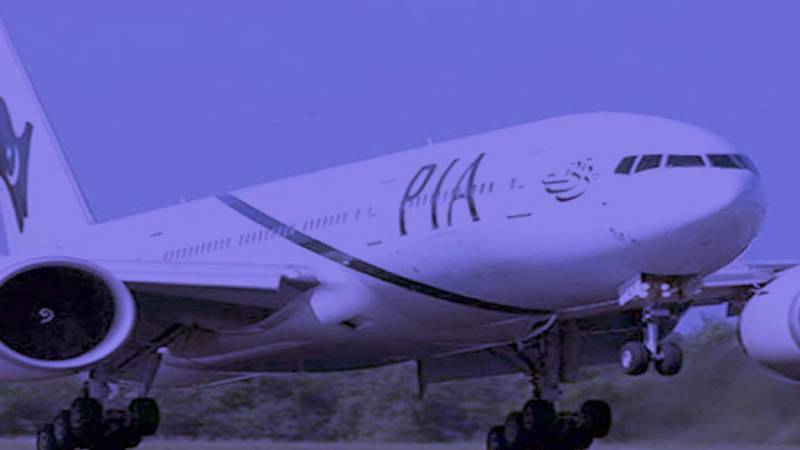
There comes a moment in every nation’s story when choices once delayed become destiny. The second attempt to privatise Pakistan International Airlines (PIA) is not merely a transaction of shares—it is a test of statecraft, of vision, and of whether we possess the discipline to reform what we once built with pride and then left to rot in neglect. As five serious contenders step forward to express interest in acquiring 51 to 100 percent of PIACL’s equity and management control, the question before us is not whether the airline can be sold. The question is whether the state of Pakistan is ready to confront the entire ecosystem that brought it to this point.
PIA is not a business alone. It is a barometer of the state’s capacity to deliver, to govern, and to protect national assets through a rules-based system. And today, that system is on the brink of collapse. From the degraded terminals of our airports to the humiliating immigration procedures faced by returning Pakistanis, and the total erosion of our Civil Aviation Authority’s competence, this crisis is neither recent nor technical—it is structural, and it is moral.
London was once a crown jewel in PIA’s network, generating over £200 million annually in ticket sales. The airline connected a proud diaspora with their roots and gave Pakistan a strategic foothold in the heart of global commerce. That market has been lost, not to competition, but to complacency. Today, over 62 percent of Pakistan’s air traffic is to the Gulf, yet the state has allowed foreign carriers unrestricted access from virtually every airport in the country without reciprocity or national strategy. We surrendered our routes, our pricing power, and our skies—not through negotiation, but through regulatory silence.
Investors can bring capital, but only the state can bring coherence, integrity, and sovereign policy
Meanwhile, the people suffer. Travel to GCC countries today costs as much as a flight to Europe or the Far East. During Hajj operations, a spiritual obligation becomes a logistical agony, priced beyond reason, delivered without dignity. Airports that should reflect the pride of a nation have become zones of disorder. Toilets are filthy. Customer service is non-existent. Retail spaces sell counterfeit products. Immigration remains a legacy of colonial suspicion—no e-gates, no digital clearance, no concept of a returning citizen’s right to be welcomed, not interrogated.
And at the centre of this decay sits a Civil Aviation Authority that has lost its mandate. No credible aviation ecosystem in the world allows its regulator to act as operator, landlord, contractor, and policymaker all at once. No serious state entrusts this complexity to retired air force officers whose experience in tactical combat flying does not translate into the operational and commercial intricacies of civilian aviation. This is not to malign individuals, but to indict a system that confuses discipline with competence, and protocol with performance.
To privatise PIA in its current context is to sell a sinking ship without repairing the dock. Unless we undertake simultaneous reform of the regulatory structure, the airport operations model, and our bilateral air service agreements, this privatisation will be nothing more than a ceremonial disposal—passing the burden without fixing the foundation. Investors can bring capital, but only the state can bring coherence, integrity, and sovereign policy.
It is time to establish a professional, independent Civil Aviation Authority with clear structural separation between regulation and operations. It is time to audit all bilateral flight permissions and realign them with national interest. It is time to corporatise our major airports, bring in global concessionaires under performance-linked contracts, and upgrade our immigration and passenger services to the dignity standards of modern nations. And it is time to recognise that a strong airline cannot take off in weak airspace.
The story of PIA’s fall is not new. But what we write now can be a story of resurrection—if not of the airline itself, then of the state’s ability to protect and reform its institutions. The decision to privatise must be taken boldly, but not blindly. We must not mistake divestment for redemption.
Leadership is not about saving what is dying. It is about resurrecting what matters.
This is our chance—not just to let PIA fly, but to help Pakistan rise.