

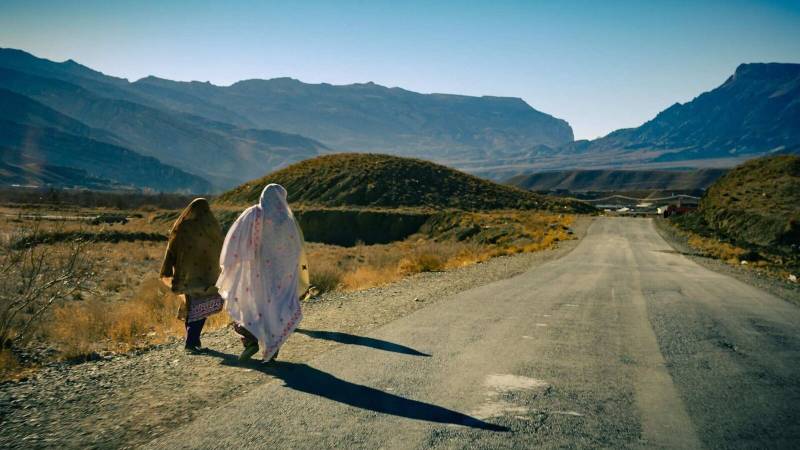
Balochistan, a land rich in history and natural beauty, stands at a crossroads in its development; its vast landscapes echoing with the remnants of ancient civilisations. From the ancient Indus Valley Civilisation to the Greek campaigns and the Mughal Empire, the region has witnessed the ebb and flow of empires, each leaving an indelible mark on its culture, identity, and topography. The lapis blue stones scattered across its hills, the juniper forests growing along its rugged terrain, and the poetry of its people serve as poignant reminders of the region’s enduring spirit.
The political economy of Balochistan is as complex and rich as its cultural and historical heritage. The region’s identity stretches across millennia, bearing witness to the adventurous voyages of the Periplus of the Erythraean Sea, the sweeping conquests of Genghis Khan, the grandeur of the Mughal Empire, and the eventual grip of British colonial rule. Its land, a tapestry woven with time, memory, and resilience, tells the story of a people who have withstood the tides of history while maintaining their unique identity.
Today, Balochistan finds itself poised at the edge of a new era. Beneath its soil lies untapped potential in the form of mineral wealth, including some of the world’s most coveted rare earth elements. These resources represent more than just economic opportunities—they present a chance to shape a new narrative of inclusive development and democratic empowerment for the people of Balochistan.
The ancient stones of Balochistan, imbued with the wisdom of millennia, speak not just of the past but of the future—a future that can be driven by resource governance that prioritises local participation, environmental stewardship, and social equity. As Ata Shad, a beloved Baloch poet, eloquently puts it:
Even the stone beneath our feet hums with memory; do not sell it without knowing its story.
This wisdom must guide the path forward. The people of Balochistan are not simply passive holders of resources—they are active participants in their own destiny. The privatisation of the mining economy, if approached with equity and foresight, could be the catalyst for inclusive development, opening the door to global markets while strengthening local economies and empowering communities.
With careful stewardship of its resources, strategic privatisation, and a commitment to inclusive development, the region can transform its future and provide a blueprint for other regions in transitional democracies
Rather than simply extracting resources for the benefit of a few, Balochistan’s mining industry can be reimagined as a means to build a sustainable, diversified economy. By prioritising local employment, technical training, and community-led partnerships, the region’s mineral wealth can become the foundation for long-term prosperity. Investments in vocational programs and technology education will ensure that Baloch youth are equipped with the skills necessary to contribute to and benefit from the booming mining sector.
The land of Balochistan is as much a source of cultural richness as it is of natural resources. The wild tamarix trees, pistachio groves, and rugged mountains that define the landscape are not just beautiful—they are the symbols of a heritage that must be preserved. Development must be pursued with an eye to environmental sustainability. Green mining technologies, along with cultural heritage conservation, can ensure that Balochistan’s growth does not come at the cost of its natural or cultural resources.
Balochistan is home to a unique artistic and architectural legacy—Mughal floral tilework that once adorned royal palaces and forts still speaks of a time when the region was a cultural crossroads. The influence of ancient Greek trading routes can still be seen in the remnants of statuary and the echoes of classical art. As the world modernises, these legacies should be woven into the region’s economic future, providing a bridge between traditional arts and contemporary enterprise.
The economic transformation of Balochistan must be viewed through the lens of identity and ownership. For too long, the region has been marginalised, its people disconnected from the wealth extracted from their land. But in the face of privatisation and mineral wealth, there is an opportunity to reshape the narrative. Balochistan’s story is not simply one of struggle, but of resilience and renewal—a region with a rich cultural fabric, poised to take control of its future.
Privatisation, if executed with care and inclusivity, could serve as a mechanism for redistributing economic power and deepening democracy. The process would allow local communities to gain direct benefits from their natural resources, empowering them to participate more actively in governance and ensuring that the economic and political future of Balochistan is in the hands of its people.
When approached thoughtfully, privatising segments of the mining economy can be a powerful catalyst for both economic growth and democratic reform. It provides an opportunity for Balochistan to open itself to global markets and attract international investment, which will contribute to building a more diverse and resilient economy. However, the process must be driven by equity, with an emphasis on local participation and transparency.
Privatisation can act as a catalyst for democratisation by reducing the monopolistic control of state-owned resources and redistributing wealth and opportunities across society. This process can neutralise entrenched power imbalances, incentivise institutional reforms, and provide the people of Balochistan with the tools to shape their own political and economic future. The privatisation of the mining sector could thus play a pivotal role in deepening democracy, expanding civic participation, and ensuring that Balochistan’s people are the true beneficiaries of its mineral wealth.
The experiences of countries such as Botswana and Chile show that mineral wealth, when managed responsibly and inclusively, can be a key driver of national development and democratic deepening. Pakistan now has the opportunity to create a model for Balochistan that combines resource development with social empowerment, creating a virtuous cycle of economic growth and political renewal.
As Shah Abdul Latif Bhittai, the great Sufi poet, once wrote:
Search not only with the eyes, but with the heart—there you will find the truth that builds nations.
Balochistan, with its ancient stones, enduring culture, and dynamic people, is ready to lead. With careful stewardship of its resources, strategic privatisation, and a commitment to inclusive development, the region can transform its future and provide a blueprint for other regions in transitional democracies. This is not just about wealth; it’s about wisdom, ownership, and the future.
As Balochistan redefines its place in the global economy, it does so with the influence of past empires—the Greek and Mughal—that have shaped its unique cultural and architectural landscape. The Greek influence, seen in ancient trading routes and sculptures, and the Mughal legacy, evident in the stunning tilework and floral designs of old fortresses, remind the region of its pivotal role in the crossroads of civilisations. These empires, with their legacies of intellectual exchange, artistic expression, and trade, underscore the enduring spirit of Balochistan—a land where cultures intersect, and where the present can be built upon the foundations of its storied past.
This fusion of ancient history with modern potential offers Balochistan a unique opportunity: to reclaim its rich heritage, harness the power of its natural resources, and chart a course towards a future of inclusive development and democratic strength. Just as the Greeks and Mughals once shaped the region’s cultural identity, so too can its people shape the future—a future defined by prosperity, justice, and agency.