

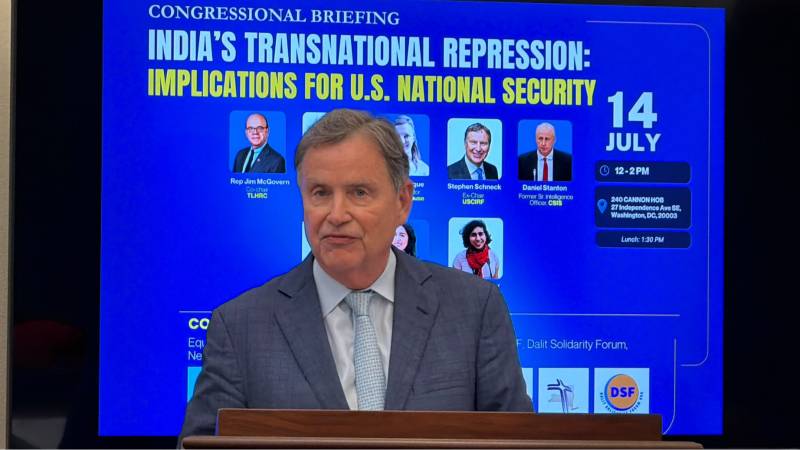
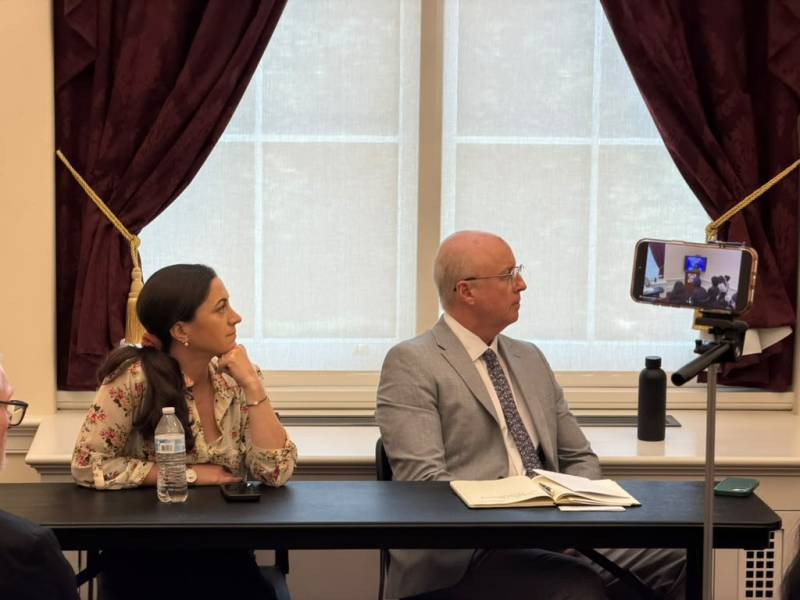
Former officials, academics, faith leaders, and human rights advocates expressed concern over several India’s transnational repression related measures.During a congressional briefing in Washington DC experts urged the United States to strengthen its response to protect activists and religious minorities living abroad.
Former Chairman of the U.S. Commission on International Religious Freedom (USCIRF) Stephen Schneck said he was “very concerned” by reports of India’s alleged transnational repression, particularly where it affects religious minority communities outside India. He said such actions raise serious international religious freedom concerns because they allegedly target members of minority faiths living overseas.
Schneck noted that USCIRF has recommended targeted sanctions and visa restrictions against senior officials allegedly associated with India’s Research and Analysis Wing (RAW) and the Rashtriya Swayamsevak Sangh (RSS) over allegations related to transnational repression and violations of religious freedom.
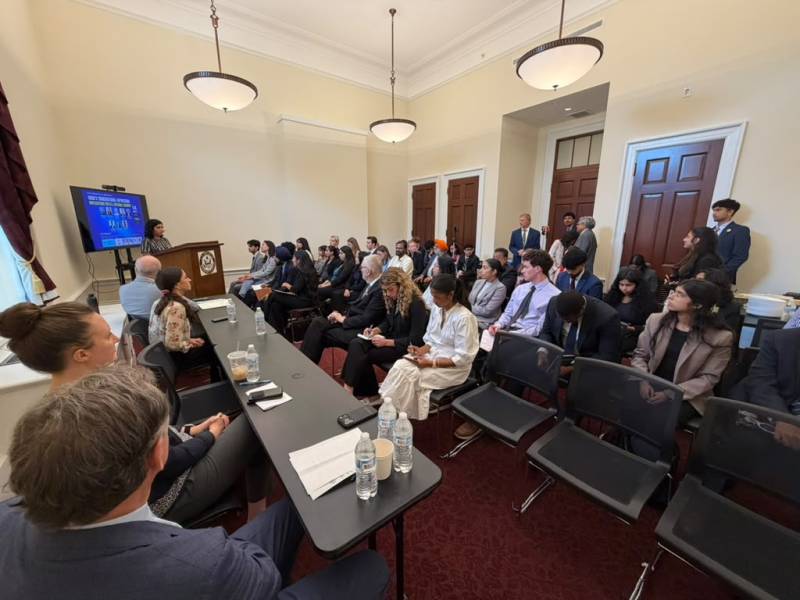
He acknowledged that implementing such recommendations would be politically difficult because India remains a major U.S. strategic and economic partner, particularly in efforts to counter China’s growing influence. Nevertheless, he described the Commission’s recommendations as a significant policy statement and expressed hope that the Trump administration would take them seriously.
“If the United States cannot insist on religious freedom with its allies and friends, then how can it ask the rest of the world to do so?” Schneck said.
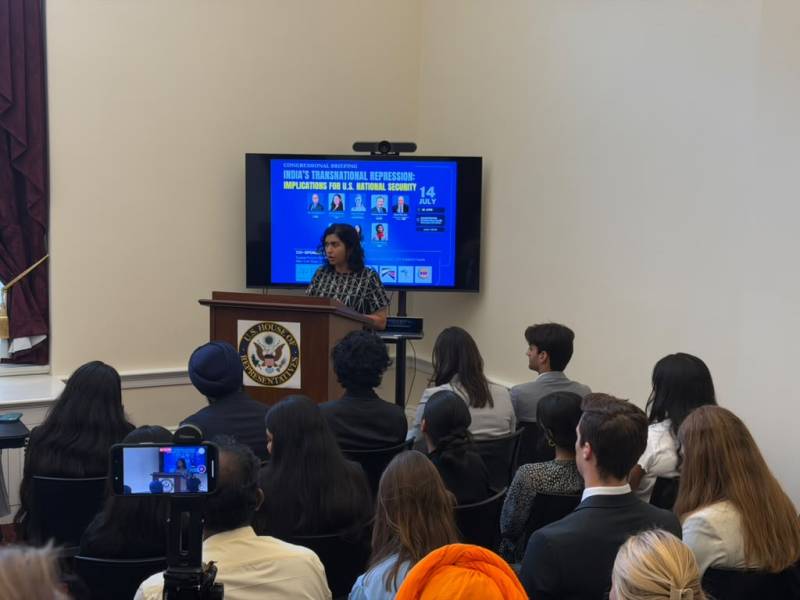
During the event, Canadian Professor
Director, National Security Program, Professional Development Institute, uOttawa. & Former CSIS intelligence officer.Daniel Stanton discussed Canada’s experience with alleged foreign interference and transnational repression. He said Canada has taken legal and political action, including criminal prosecutions related to the killing of Sikh activist Hardeep Singh Nijjar, but acknowledged that geopolitical and trade considerations continue to complicate government responses.
Stanton argued that middle powers such as Canada have limited leverage compared to the United States and said democratic countries should work together to confront transnational repression and defend democratic values.
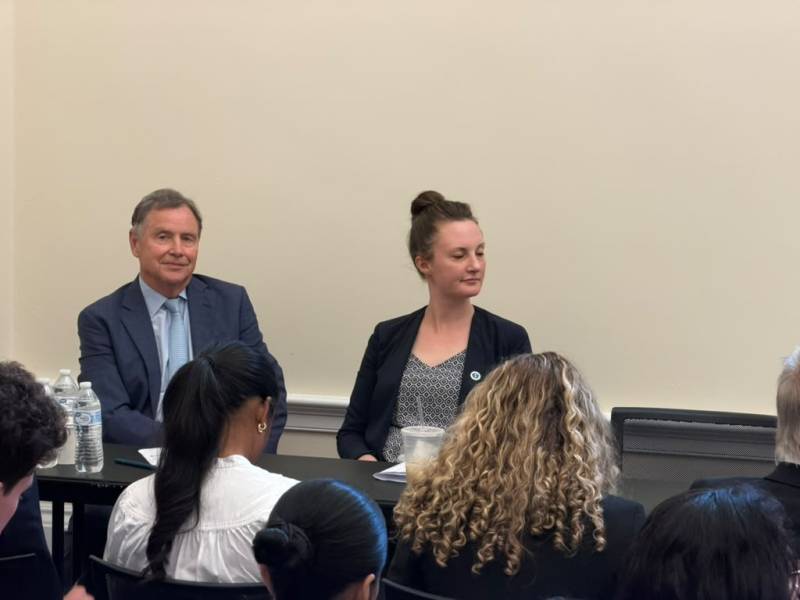
Ria Chakrabarty Senior Director for Hindus for Human Rights explained that the congressional briefing focused on allegations that the Indian government has used various methods to silence critics outside its borders. The presenter alleged that Sikh, Kashmiri, Muslim, Hindu, and other activists in both the United States and Canada have faced intimidation or harassment.
Ria Chakrabarty urged the U.S. government to formally define “transnational repression” so federal, state, and local law enforcement agencies can better identify and respond to such activities. Recommendations also included using existing legal authorities—such as sanctions and the Arms Export Control Act—to hold individuals accountable and review arms transfers where governments are accused of engaging in transnational repression.
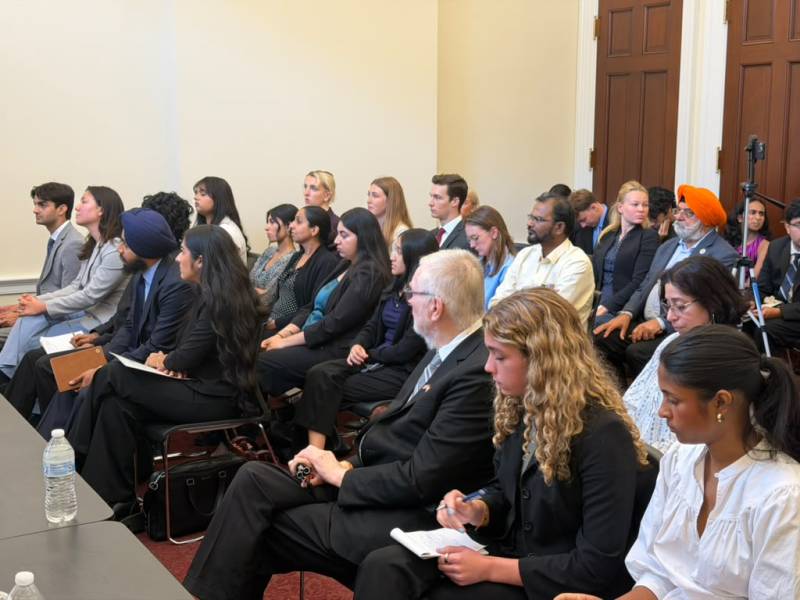
Faith leader Rev. Neal Christie, Principal of Faith Beyond Religious Nationalism, condemned the use of religion to justify violence or suppress political dissent.
Christie said no government should weaponize religion to target religious minorities or political opponents beyond its borders, arguing that such actions violate human rights, human dignity, and the sovereignty of other nations.
He called on faith leaders from all religious traditions to unite in opposing religiously motivated violence and emphasized that governments have a responsibility to protect the rights and dignity of all citizens, especially religious minorities.
The congressional briefing concluded with calls for stronger international cooperation, greater protection for diaspora communities, and increased accountability for governments accused of carrying out transnational repression across national borders.
It is worth noting that Authorities in Canada, the United States and Pakistan have separately accused people linked to the Indian government or its intelligence apparatus of involvement in assassination plots abroad.
Sikh separatist leader and Canadian citizen Hardeep Singh Nijjar was shot dead outside a gurdwara in Surrey, British Columbia, on June 18, 2023.
Canadian authorities arrested four Indian nationals in May 2024 and charged them with first-degree murder and conspiracy to commit murder. Those charges remain subject to criminal proceedings and do not themselves establish who directed the operation.
United States: Foiled assassination plot in New York
The strongest publicly established case concerns a foiled plot, rather than a completed killing, targeting a U.S. citizen and Sikh separatist leader in New York.
U.S. prosecutors charged Indian national Nikhil Gupta with attempting to arrange the assassination. They alleged that Gupta acted at the direction of Indian government employee Vikash Yadav, who was subsequently charged with murder-for-hire, conspiracy and money laundering offences.
Pakistan publicly accused Indian agents of organizing at least two assassinations on Pakistani territory.
Pakistan’s Foreign Office stated at least two assassinations on Pakistani territory included Muhammad Riaz, killed inside a mosque in Rawalakot on September 8, 2023 and Shahid Latif, killed outside a mosque in Sialkot on October 11, 2023.
The Pakistani Foreign Ministry also said that Indian agents Yogesh Kumar and Ashok Kumar Anand used intermediaries, foreign-based handlers and locally recruited gunmen to conduct the killings. Islamabad described them as murder-for-hire operations involving networks across several jurisdictions.