

Climate change is an undeniable reality for Pakistan, posing one of the gravest challenges to its people and economy. Despite contributing only 0.88 per cent to global greenhouse gas emissions, Pakistan ranks among the five most climate-vulnerable countries in the world, a stark reminder of the disproportionate burden it bears.
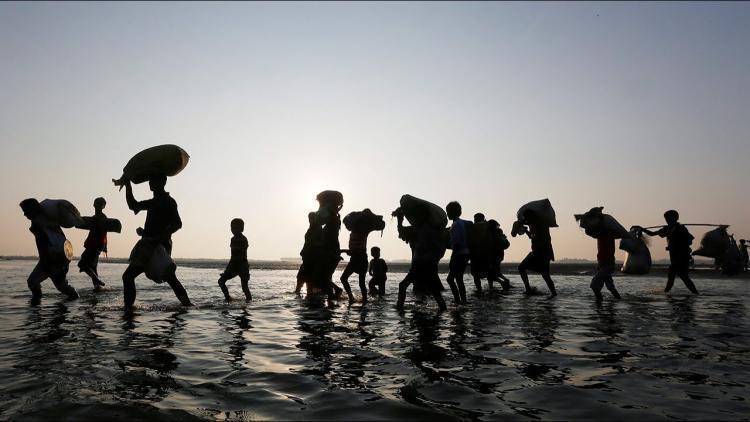
The effects of climate change are already being felt across the country. Rising temperatures, unpredictable rainfall, glacial melt, floods, and droughts have become increasingly frequent and severe. Between 1960 and today, Pakistan’s average temperature has increased by 0.5°C, and projections indicate a further rise of 1.3°C to 1.5°C by 2050. This escalation threatens to expose nearly five million people annually to extreme river floods, while coastal areas face inundation risks that could displace around one million residents by the end of the century. Extreme weather events are inflicting devastating consequences on rural communities, destroying homes and crops, disrupting education, and heightening the spread of waterborne and vector-borne diseases such as diarrhoea and malaria. Food insecurity and malnutrition are on the rise as erratic rainfall patterns reduce crop yields and strain livelihoods.
According to the World Bank, the combined impact of climate change, environmental degradation, and air pollution could shrink Pakistan’s GDP by 18–20 per cent by 2050, threatening to reverse hard-won gains in poverty reduction and sustainable development. This projection underscores the urgent need for coordinated, immediate action.
Encouragingly, Pakistan has begun to reinforce its climate commitments on global platforms. At COP29, the country launched a Climate Finance Framework designed to attract investment in sustainable projects. This initiative supports Pakistan’s Nationally Determined Contributions (NDCs), which aim for a 30 per cent reduction in carbon emissions and a renewable energy share exceeding 60 per cent by 2030.
While these targets reflect strong intent, challenges persist, including regulatory bottlenecks, financial constraints, and the absence of an integrated policy framework to ensure effective implementation. Among the key contributors to advancing Pakistan’s climate agenda is the Overseas Investors Chamber of Commerce and Industry (OICCI). Through platforms like the Pakistan Climate Conference, OICCI brings together public and private sector stakeholders, NGOs, academia, and international organisations to discuss renewable energy, green finance, and climate-resilient infrastructure. These dialogues have become vital catalysts for developing actionable strategies and shaping policy recommendations for a sustainable economy.
The fight against climate change is not just about systems; it’s about people. It is about creating awareness, changing habits, and nurturing a sense of collective responsibility
Looking ahead, Pakistan must adopt a multifaceted approach to address its climate challenges. Strengthening infrastructure to withstand extreme weather, investing in climate-resilient housing and irrigation systems, and promoting green technologies such as solar and wind power are crucial steps. Moreover, public awareness campaigns and grassroots advocacy can play a transformative role in driving behavioural change and influencing stronger environmental policies.
Climate change is no longer a distant threat; it is a present reality shaping our world in visible and painful ways. From rising sea levels to devastating floods and recurring heatwaves, humanity is witnessing the price of decades of neglect. For Pakistan, one of the most climate-vulnerable countries in the world, the question is not whether climate change will affect us, but how we can reduce its impact before it becomes irreversible. Across the globe, the race to cut greenhouse gas emissions has accelerated. The shift from fossil fuels to renewable energy is gaining momentum. Solar panels glisten on rooftops, wind turbines turn across open plains, and electric vehicles glide silently through cities that were once choked by smoke. These are small yet powerful symbols of a world learning to live differently, more responsibly, more sustainably. Pakistan, too, has begun to follow this path, setting ambitious targets for renewable energy and carbon reduction. But ambition alone is not enough; consistent and practical action is what will truly make the difference.
The journey to a climate-resilient Pakistan begins with how we produce and use energy. Transitioning towards solar, wind, and hydropower can reduce dependence on fossil fuels and create cleaner, cheaper energy for millions. Energy efficiency in homes, industries, and transport can further reduce emissions and cut costs, a win for both the planet and the economy.
Agriculture, the backbone of Pakistan’s economy, must also adapt to survive the changing climate. Rising temperatures and erratic rainfall patterns threaten crop yields and food security. The solution lies in climate-smart farming, drought-resistant crops, improved irrigation systems, and better water management practices that protect both farmers and the environment. In rural Sindh and Balochistan, for instance, communities are already experimenting with solar-powered irrigation and organic farming, showing that local innovation can lead the way.
Equally vital is the restoration of nature itself. Forests, wetlands, and mangroves are not just scenic landscapes; they are shields against climate disasters. Pakistan’s large-scale plantation drives, particularly the Ten Billion Tree Tsunami initiative, are steps in the right direction. Mangroves along the Sindh coast protect communities from cyclones, while forests in the north help regulate rainfall and preserve biodiversity. Each tree planted today becomes a silent guardian for generations to come.
But technology and nature alone cannot shoulder this responsibility. Policy, planning, and education are equally critical. Governments must integrate climate goals into every sector: energy, agriculture, transport, and urban development. Climate finance and partnerships with international organisations can help fund adaptation projects, while strong local governance ensures that resources reach those most in need. Ultimately, the fight against climate change is not just about systems; it’s about people. It is about creating awareness, changing habits, and nurturing a sense of collective responsibility. Every small act, saving electricity, using water wisely, planting a tree, avoiding plastic waste, adds up. Schools, communities, and businesses all have a role to play in building a culture of sustainability.
The path ahead is challenging, but not impossible. If Pakistan strengthens its resilience, embraces clean energy, and empowers its people with knowledge and innovation, it can turn vulnerability into strength. The world is watching, but more importantly, the next generation is depending on us. Pakistan now stands at a critical crossroads in its climate journey. The momentum built through national and international commitments, along with the collective efforts of government, businesses, and civil society, must translate into concrete action. Sustained dialogue, strategic policymaking, and investments in renewable solutions can steer Pakistan towards a greener, more resilient future. The time for action is now, before the consequences of inaction become irreversible.