

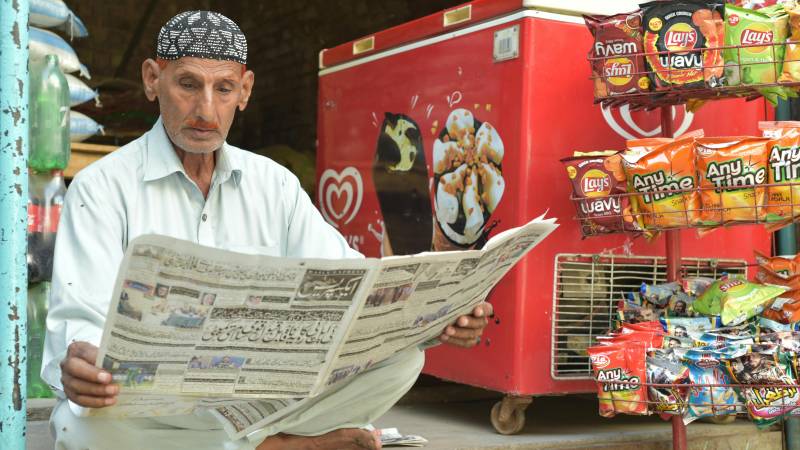
Remember the thrill of being the messenger? You’d clutch a crumpled note from your mother asking for “aadha kilo cheeni, 6 adad anday”, then trot down to the nearby kiryana shop. No app, no card—just a nod and, “Chalo beta, baad mein de dena.” And off you’d go, pockets jingling with change and maybe a free toffee.
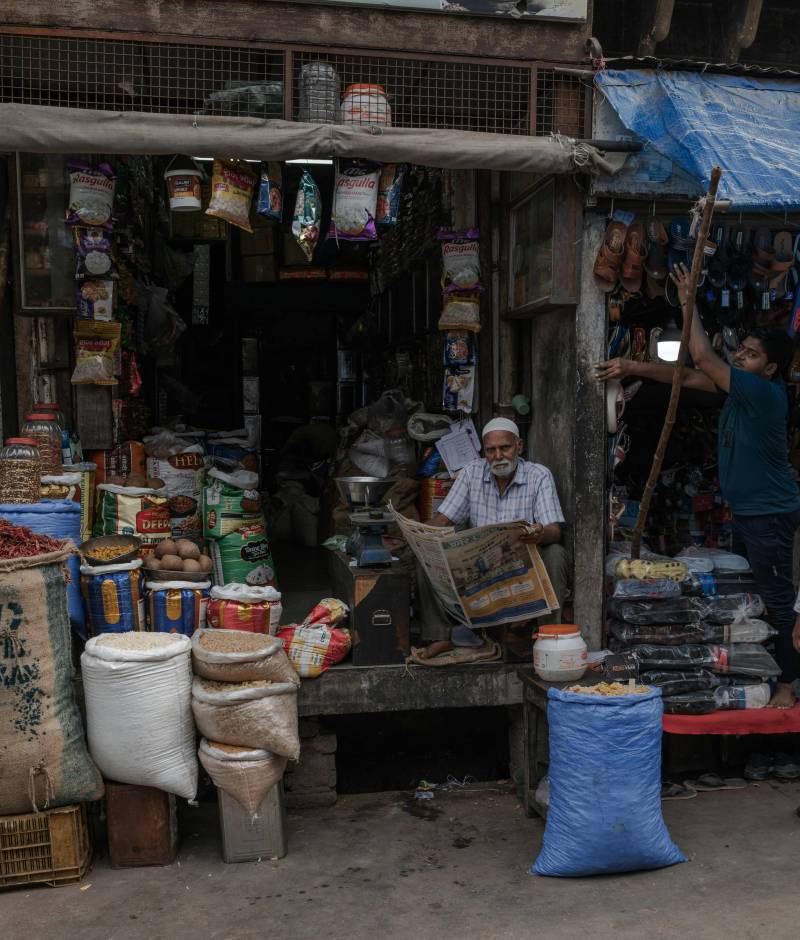
Kiryana stores are the quintessential mum-and-dad grocery shops found on nearly every street corner across South Asia, particularly India and Pakistan, serving as the lifeblood of countless neighbourhoods.
Fast forward to today: you unlock your phone, tap a few icons, and—bam—groceries arrive in 20 minutes. No eye contact, no chit-chat, just a plastic bag on your doorstep. You rate the delivery, discard the plastic packaging, and move on. This is what convenience now looks like: slick, sanitised, and utterly forgettable.
It wouldn’t be hyperbole to say that the kiryanas were the Google of our communities. They knew your life updates better than your Instagram feed—who was sick, who got married, who’s unsurprisingly not unhappy in their marriage, and whose child just aced the exam. Their glass jars held gossip as much as they held candy.
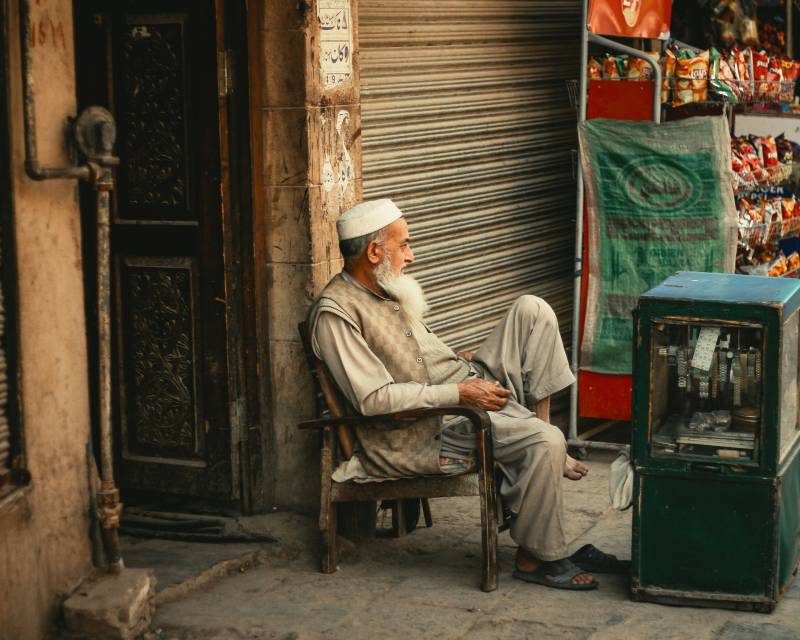
But the discussion is far more intricate than just reminiscing about the past; it’s about how these mum-and-dad corner shops drive a multi-million-rupee informal economy that keeps our neighbourhoods alive.
There’s also a psychological dimension—Kiryana culture runs on relational trust, while app culture runs on prepaid detachment
These shops operated as micro-warehouses, relational banks, and unintentional community archives. And dare I say, they were Pakistan’s unsung supply-chain heroes. Small manufacturers—the ones churning out your favourite biscuits or that local biryani masala your dadi swears by—couldn’t crack mall shelves or fancy e-commerce. They relied solely on kiryanas. Every tin of chai masala, every bar of detergent, was a lifeline for someone’s household.
Beyond that, these corner shops helped build a self-sustaining local economy: rupees recirculated within the community, empowering micro-vendors to reinvest in production and innovate niche products tailored to mohallah tastes. This grassroots network cushioned rural and urban producers against market shocks, ensuring food security and economic resilience where formal supply chains often fail. Yet none of it appears in export metrics or GDP reports.
But here’s the catch: as we scroll and cart, that whole human network is vanishing. Apps serve you logos and barcodes, not warm smiles. Convenience certainly has its perks—no twisting open lids or hunting for small change—and in the madness of city life, that saves time. But pause: at what cost?
When we open Pandamart, we are a statistic. Algorithms predict what we might like based on purchase history. Suddenly, I’m buying a jumbo 500g pack because it’s “best value”—even though I live alone. Decision fatigue kicks in with too many choices and zero human filter. In a local shop, however, you have the agency of deciding exactly what you want while the shopkeeper retrieves a fresh pack for you from the back. You’d ask for “thora halka packet” and walk away with just enough.
There’s also a psychological dimension—kiryana culture runs on relational trust, while app culture runs on prepaid detachment. These aren’t technological differences; they’re cultural. The kiryana system teaches empathy, negotiation, and patience—it functions with human error and human forgiveness. A missed delivery, on the other hand, becomes a customer complaint filed through a chatbot. The psychology of consumption is getting rewired. We’re trading deliberate buys for mindless scrolls.
Meanwhile, the kiryana ecosystem—mini-wholesalers, credit lines scribbled in dusty logbooks, women buying in rupee-sized increments—is silently collapsing. Those micro-entrepreneurs cannot compete with foreign-backed start-ups offering subsidised delivery.
Yet we see some kiryanas hustling. They slap Easypaisa QR codes next to the local butter, WhatsApp prices to regulars, even host mini-ATMs. They’re hybridising, trying to be both the corner shop and the corner app. But the question remains: will that adaptation preserve the cultural role of these shops, or merely turn them into slower clones of modern retail?
In development jargon, they call it “last-mile delivery.” But perhaps the last mile worth saving is the one where the kiryana uncle greets you by name.