

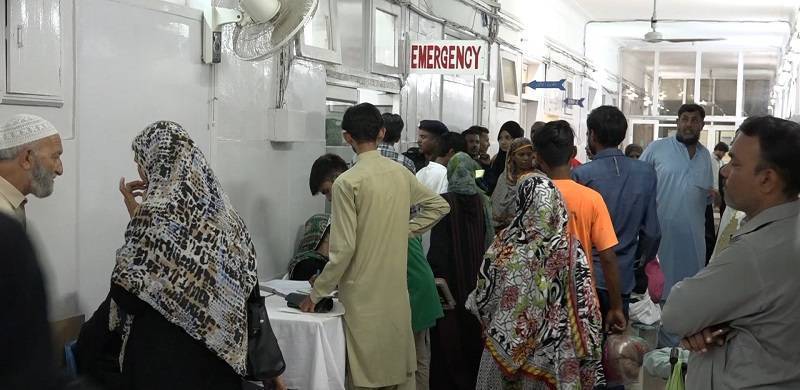
In Pakistan, a troubling trend is emerging: patients are increasingly subjected to medical procedures that may not be necessary, driven by profit motives, regulatory failings, and patient vulnerability. This came to light through a personal experience in Lahore, where a friend’s elderly mother was advised to undergo a costly cardiac procedure after a routine check-up flagged minor “abnormalities.” A second opinion revealed the procedure was unwarranted, exposing a systemic problem that burdens patients financially, risks their health, and undermines trust in medical professionals. Understanding the causes and consequences of this trend is critical to addressing its impact on Pakistan’s already strained healthcare system.
The commercialisation of healthcare is a major driver. Private hospitals and clinics, which dominate both urban and rural healthcare, often operate as businesses prioritising revenue over patient welfare. According to the Pakistan Bureau of Statistics’ National Health Accounts for 2021–22, around 46.9% of total health expenditure is out-of-pocket, making patients lucrative targets for expensive tests like MRIs, CT scans, or invasive procedures. A 2023 study in JAMA Network Open found that low-value or unnecessary surgical procedures are prevalent in low- and middle-income countries, including Pakistan, often incentivised by profit. A Karachi-based surgeon revealed that some colleagues recommend procedures such as appendectomies or hysterectomies simply to meet hospital revenue targets. In a system where patients, often lacking medical literacy, defer entirely to doctors’ authority, this fosters a cycle of over-diagnosis and overtreatment.
Regulatory gaps only deepen the crisis. The Pakistan Medical Commission (PMC), responsible for regulating the profession, lacks robust enforcement mechanisms for ethical standards. Unlike India’s Medical Council, Pakistan does not have a centralised audit or oversight system to scrutinise the necessity of procedures. This allows doctors to order redundant tests or surgeries without fear of consequences. Cultural factors also play a role. Many Pakistanis equate a larger number of tests and interventions with better care, a perception that some providers actively exploit. A 2023 Aga Khan University survey found that 65% of patients in urban Pakistan felt “reassured” by additional diagnostics, even when doctors deemed them medically unnecessary.
A 2023 Pakistan Institute of Medical Sciences report noted a 15% increase in post-surgical complications tied to non-essential procedures over the last five years
The consequences are severe. Financially, unnecessary procedures place an enormous burden on families. A single surgery in a private hospital can cost between PKR 100,000 and 500,000—an astronomical figure when the average monthly household income is just PKR 50,000, according to 2024 government data. Many families go into debt, sell property, or forgo education and essentials to pay for such interventions. Health-wise, even “routine” procedures carry risks—complications, infections, and extended recovery. A 2023 Pakistan Institute of Medical Sciences report noted a 15% increase in post-surgical complications tied to non-essential procedures over the last five years. Moreover, excessive use of CT scans and radiation-heavy diagnostics raises long-term risks like cancer, as documented in a 2024 report on medical imaging safety.
Perhaps the most insidious consequence is the erosion of trust in the healthcare system. Patients, like the mother in Lahore, begin to second-guess medical advice, leading to dangerous delays in necessary treatment. Distrust spreads through communities, weakening public health initiatives. For example, delayed cancer screenings or ignored warning signs can result in catastrophic health outcomes that could otherwise have been avoided.
Recent discussions on social media have further exposed these practices. One 2025 post described widespread corruption in the medical field, including kickbacks for diagnostics and needless surgeries. Another referenced a tragic 2025 case in Sadiqabad, Punjab, where 25 children had their kidneys removed under the guise of gallstone surgery, highlighting how extreme malpractice thrives in poorly regulated environments.
Quantifying the full scope of the problem is difficult due to limited data. However, anecdotes and investigative reporting continue to surface, painting a bleak picture. Without intervention, this trend could spiral into a full-blown crisis of medical ethics.
Solutions are possible—but they require urgent reform. The PMC must enforce stricter clinical guidelines and mandate second opinions for major procedures. Independent audits of high-cost diagnostics and surgeries must become standard. Public awareness campaigns should empower patients to question medical recommendations and seek evidence-based care. Incentivising ethical practice—through tax breaks for transparent hospitals or penalties for overbilling—could shift institutional focus back to patient welfare.
Comparative insights offer hope. India, despite its own challenges, has made progress by linking reimbursements to treatment outcomes and penalising unethical practice. Pakistan could adopt similar models, tailoring them to its context.
The proliferation of unnecessary surgeries and diagnostics is not merely a by-product of systemic inefficiencies; it reflects a deeper skew in Pakistan’s healthcare ethos—profit over people. This must change. Without decisive action, not only will families continue to face financial ruin, but the nation will also suffer a deeper erosion of confidence in one of its most essential institutions.
Stricter oversight, empowered patients, and a renewed commitment to ethical medicine can help reclaim healthcare’s fundamental mission: to heal, not to exploit.