

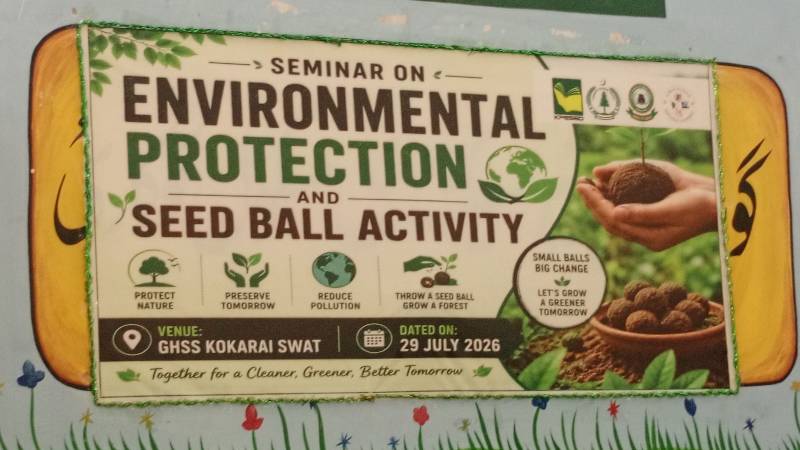
Government Higher Secondary School (GHSS) Kokarai, Swat, organised a community-based Monsoon Plantation and Seed Ball Campaign with the participation of nearly 200 students, teachers, government officials, farmers, social activists and community members, marking the beginning of an ambitious environmental initiative aimed at strengthening climate resilience and ecological restoration in the valley.
The programme was inaugurated by Mr. Arshad Durrani, Member of the Sustainable Conservation Network (SCN) and President of the Ilm-o-Hunar Organisation, who highlighted the important role of educational institutions in promoting sustainable development. He emphasised the active involvement of youth in plantation campaigns, flood-risk reduction and environmental conservation.
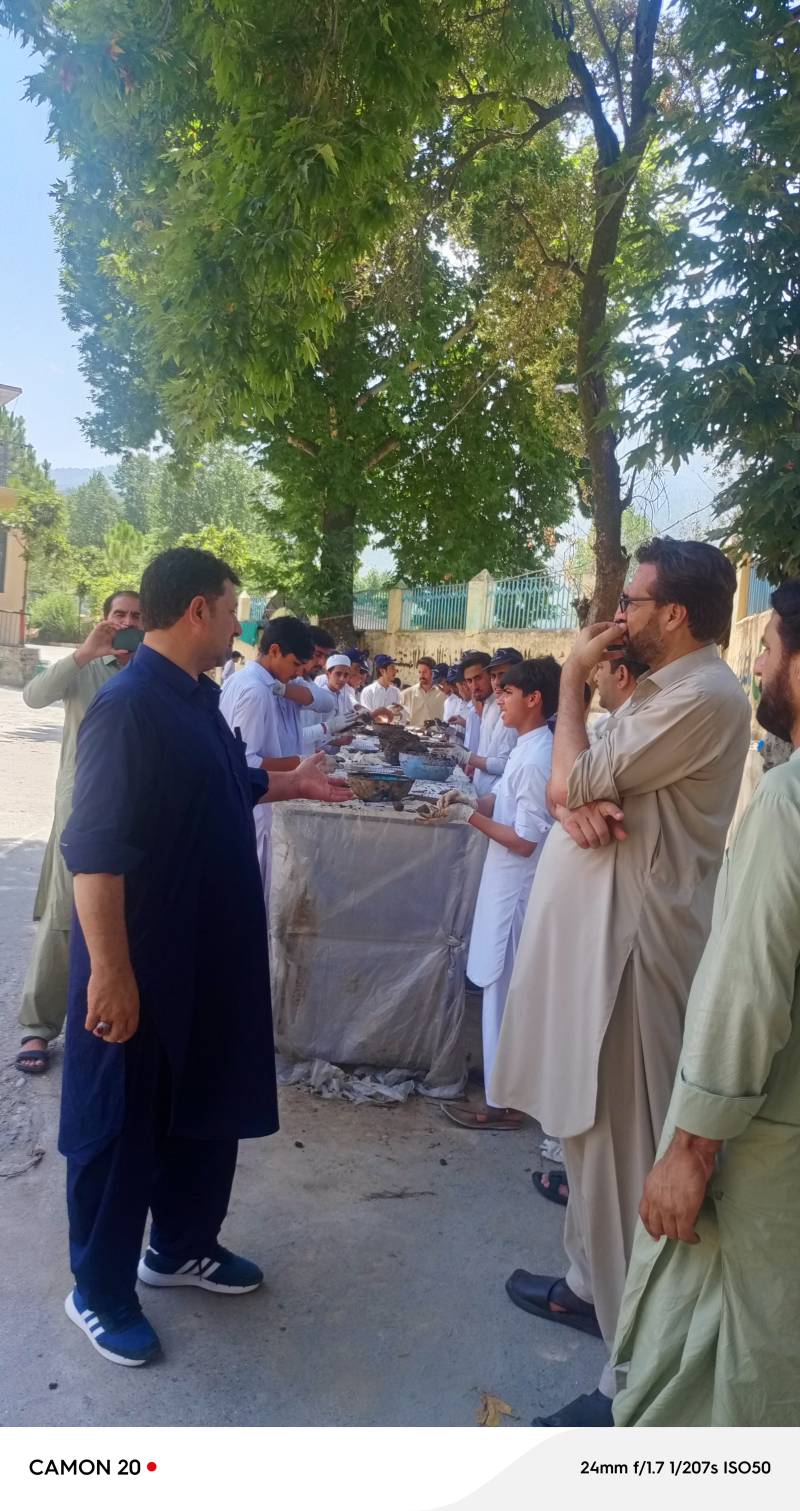
Mr. Durrani proposed the establishment of a Community Climate Nursery in Kokarai to conserve indigenous tree species, propagate endangered fruit varieties and promote olive cultivation as a source of sustainable livelihoods and environmental protection. He also stressed that while illegal deforestation must be strongly condemned, the sincere efforts of Forest Department officials working to protect the remaining forests also deserve public appreciation.
Mr. Faisal Shahzad, representing the Swat Forest Department, delivered a comprehensive lecture on climate change, its impacts and strategies for adapting to the grave situation arising from increasingly devastating floods. He observed that both the intensity and frequency of extreme weather events are increasing, resulting in the loss of hundreds of lives and widespread damage each year. He emphasised that healthy forests play a vital role in biodiversity conservation, soil protection, flood mitigation and ecological stability.
Mr. Mohammad Ismail of the Environmental Protection Agency (EPA) highlighted the importance of environmental protection, sustainable natural resource management, public awareness and community participation in addressing climate change and safeguarding natural resources for future generations.
The Deputy District Education Officer, Mr. Fazal Khaliq, appreciated the efforts of the school management and assured participants that similar environmental initiatives would be encouraged in other educational institutions across the district.
Concluding the proceedings, the Principal of GHSS Kokarai, Mr. Akhtar Ali Khan, presented the following key recommendations adopted during the event: Link plantation campaigns with the restoration of flood-affected landscapes.
Establish Green Committees in educational institutions. Assign annual tree stewardship responsibilities to students. Protect riverbanks and seasonal streams through the plantation of suitable native species. Promote local ecological knowledge alongside formal environmental education. Establish community seed banks and nurseries to conserve indigenous plant diversity.
Make environmental fieldwork a compulsory component of the curriculum from primary school to university level, with activities designed according to the age and learning level of students. Strengthen collaboration with environmental activists and organisations at the local, national and international levels to promote knowledge sharing and collective action. During the programme, a Community Seed Bank was formally announced to preserve the seeds of indigenous fruits, vegetables and native tree species that are gradually disappearing from the Swat Valley. The initiative also aims to conserve traditional fruit varieties through propagation and grafting for future generations.
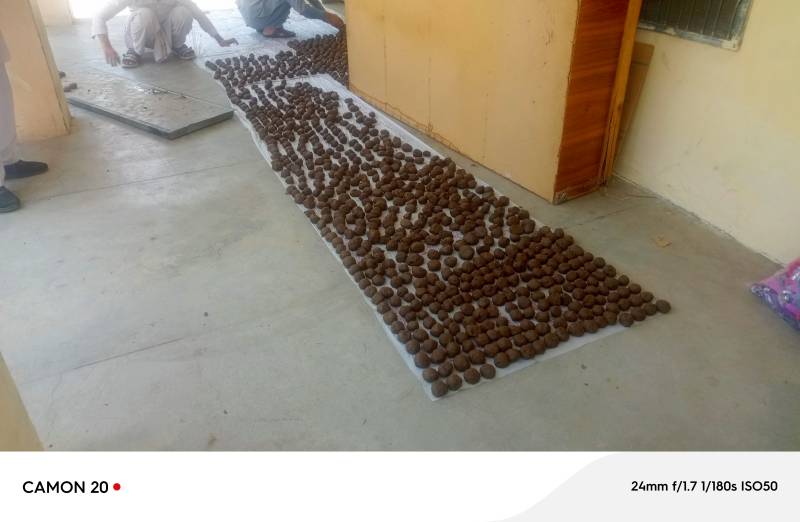
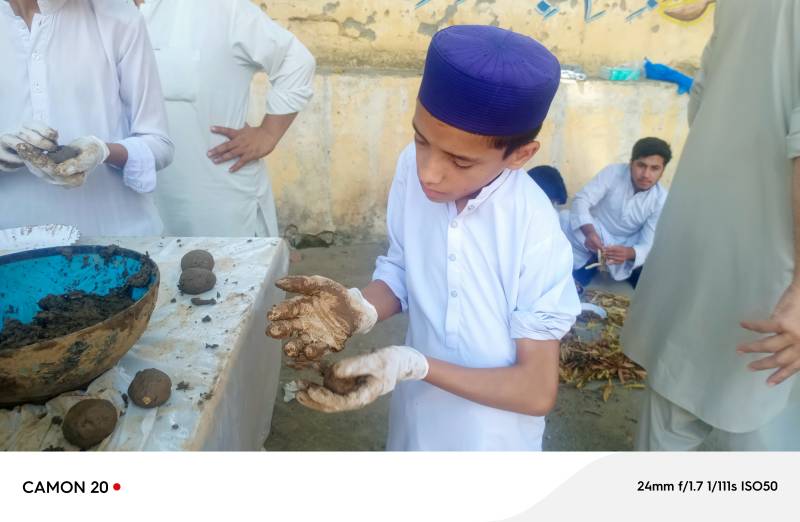
Approximately 3,000 seed balls containing mixed seeds of indigenous forest species were dispersed across selected hillsides in Garasa, Dangram Valley, as part of the monsoon plantation campaign. Mr. Fayyez Ahmad of the National Commission for Human Development (NCHD) appreciated the initiative and reaffirmed his commitment to extending full support to future community-based environmental and educational activities.
The participants expressed the hope that the Kokarai initiative would evolve into a model for schools and communities throughout Khyber Pakhtunkhwa, demonstrating how education, local knowledge and community participation can contribute to climate resilience and sustainable environmental management.