

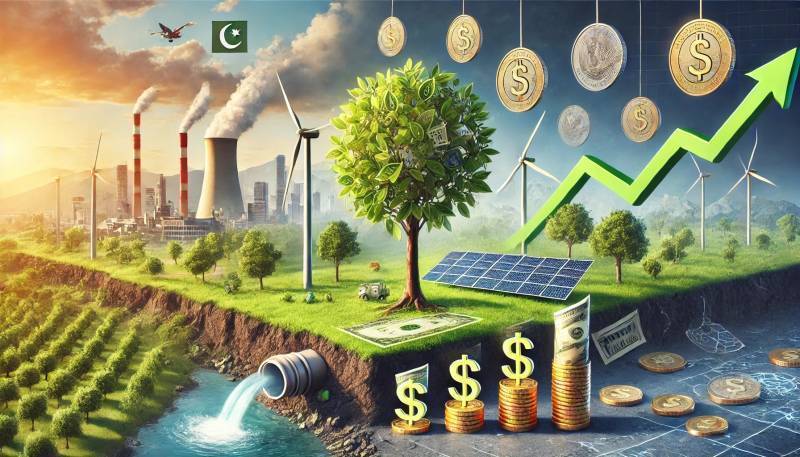
Pakistan finds itself, torn between inaction and necessity, hesitant, yet compelled to act as it faces two relentless storms: economic crisis and climate collapse, with many looking to the latest budget for signs of reparation.
Our fiscal reality is marked by contradiction. Parliamentarians grant themselves salary increases while millions struggle with stagnant wages, shrinking purchasing power, and rising poverty. The country’s tax base remains embarrassingly narrow. More than half of all tax collection comes from indirect taxes, regressive levies that hit the poor hardest.
Meanwhile, Pakistan’s external account bleeds foreign reserves, its trade deficit swelling, and growth prospects fading. Manufacturing has contracted, development spending lags behind, and most of what we do spend goes into interest payments and administrative overheads.
But the structural rot runs deeper. The idea of public finance as a tool to engineer equity and prosperity seems to have eroded. Pensions balloon, debt service drains, and subsidies to the already-privileged choke investment in health, education, and innovation. We chase growth numbers, yes but what kind of growth, and for whom?
The climate crisis only compounds this vulnerability. Floods, heatwaves, and smog are no longer episodic, they’re the norm. See (or rather feel!) the latest heat waves and unexpected vitriolic hailstorms. Climate change eats into GDP, lowers life expectancy, and worsens already dire poverty levels.
Pakistan cannot afford to choose between fixing its fiscal house and protecting its people from climate disasters
The poorest, who contribute least to emissions, suffer the most. Social protection barely covers those in need, even as climate disasters push more families below the poverty line. We are one of the most climate-vulnerable countries in the world and one of its most polluted. The future? Unlivable, unless we change course.
And yet, the world that could support us—financially, morally, structurally—is retreating. The promises under the Paris Agreement remain unmet. Wealthy countries bicker over border taxes and climate tariffs while the earth warms past the 1.5°C threshold. Climate justice, for now, remains a beautifully-worded fantasy.
So, what does one do at a crossroads so bleak?
We dance. But it takes two: we must simultaneously mend the fiscal fabric and address the climate crisis. These are not parallel tracks. They are intertwined. And if approached wisely, climate action can be a fiscal remedy, not just a burden.
Take carbon pricing. By gradually introducing a levy on high-emitting industries, Pakistan can create a predictable revenue stream that funds our transition to clean energy. It is not about punishing polluters as much as encouraging cleaner alternatives and doing so without taxing the common citizen into despair. A phased hybrid model can start small and scale responsibly, providing clarity to businesses and relief to public coffers.
Plastic taxes offer another pathway. With thousands of companies already generating sizable revenue through plastic packaging, targeted levies can nudge industries toward sustainable practices. Kenya has already shown the world what the political will around plastic reform looks like. Pakistan need not reinvent the wheel, only localize and adapt it.
Further, with per capita water availability below 1,000 cubic meters, Pakistan faces acute water stress. Introducing water pricing for major industrial users is framed as a survival strategy, not just revenue generation. Targeted pricing aims to curb over-extraction, promote efficiency, and encourage sustainable practices. Together with the carbon levy, it signals a shift toward long-term water security.
Fossil fuel subsidy reform is long overdue. As per Renewables First’s latest report: alarmingly, thermal still accounts for 49% of total generation (an uncomfortable contradiction with the NDCs). These subsidies bleed the budget while encouraging inefficiency. Worse, they discourage the very investments—solar, wind, grid modernization—that could pull us into the future. Redirecting these funds toward renewable energy and cleaner technologies could ease our fiscal pressures and help meet climate goals simultaneously.
And then there’s green public investment. Mass transit systems, rural electrification via solar, and retrofitting infrastructure for energy efficiency; aren’t luxuries. They’re necessities. And they create jobs. They nurture skills. They cut long-term costs. They make cities liveable and villages viable.
To fund this green transformation, we must also explore innovative finance. Green sukuk and green bonds offer a way forward. Countries like Malaysia have led the way, using faith-aligned financial instruments to fund solar and sustainability initiatives. Pakistan can do the same, building credibility in capital markets while anchoring public trust, and in parallel fulfilling SBP Vision 2028 of Shariah-compliant banking.
But none of this can happen in silos. The environment ministry cannot solve climate change on its own. Nor can the finance ministry plug fiscal gaps without transformative thinking. We need convergence. Cross-ministerial collaboration. Long-term strategies. And above all courage.
Yes, the road ahead is uneven, and the dance steps are complex. But hesitance is no longer an option. Pakistan cannot afford to choose between fixing its fiscal house and protecting its people from climate disasters. The only viable way forward is to pursue both goals together with the same urgency, the same clarity, and the same resolve.
The tango begins when both partners move in sync. One step forward in public finance. One step forward in climate resilience. And then again. And again. Until we chart a rhythm that lifts us out of paralysis and toward a future that’s livable, equitable, and green.