

Chapter 1: The Pre-Eid Sugar High (And the Lies I Tell Myself)
Every year, as Ramadan winds down, I make the same solemn vow: “This Eid, I will not overdo the sweets.”
And every year, by noon on Eid-ul-Fitr, I am elbow-deep in a box of gulab jamun.
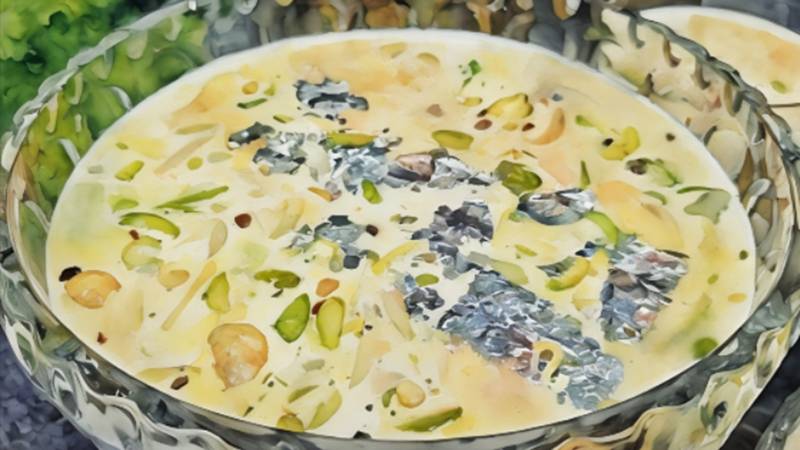
It starts innocently enough. The sheer khurma at Fajr—“It’s tradition!”—then the ras malai at breakfast—“Protein or something, right?”—and before I know it, I’m shamelessly double-dipping barfi at Maheen Aunty’s house while pretending I don’t see her judging me.
Why do I do this to myself?
Because Eid in Pakistan is a sugar-coated trap.
Chapter 2: The Great Sweet Hierarchy (And the Politics of Dessert)
Not all Eid sweets are created equal. There’s an unspoken social hierarchy, and if you mess it up, you risk aunty-side eye for life.
- Sheer Khurma (The Sacred One)
- The VIP of Eid breakfast.
- Must contain vermicelli, milk, dates, and at least three types of nuts (or your nani will disown you).
- Acceptable to eat in large quantities because “It’s light!” (Spoiler: It is not.)
- Gulab Jamun (The Crowd-Pleaser)
- Universally loved, but also the most dangerous.
- You think you’ll have just one, but suddenly the whole plate is gone, and you’re in a sugar coma on the sofa.
- Best enjoyed with hot chai to “balance it out” (delusional).
- Barfi and Pateesa (The Deceptively Innocent Ones)
- Looks small and harmless.
- Actually sweet enough to make your teeth vibrate.
- The cashew barfi is elite, but if you take the last piece, prepare for generational side-eye.
- Jalebi (The Controversial One)
- Some families swear by it. Others call it “too street” for Eid.
- Best eaten fresh and crispy—if it’s soggy, it’s a crime.
- Secretly, everyone wants it, but no one admits it.
- Ras Malai (The Fancy One)
- Reserved for bougie households who serve it in china bowls.
- If you drop it on your shalwar kameez, it’s a national tragedy.
Bonus: The mysterious homemade sweet from that one auntie who swears it’s her own recipe but you 100% saw something remarkably close to it at Jalal Sons or something the day before.
Chapter 3: The Post-Eid Regret (And the Lies I Tell Myself Again)
By Eid evening, the consequences hit.
- Stomach: “Why did you do this to me?”
- Brain: “But it’s Eid! Calories don’t count!”
- Scale the next morning: “LOL.”
I swear off sweets. “Next year, I’ll just have fruit chaat!” I declare, while still picking strands out of my teeth.
But then…
- Day 2: “Okay, maybe just one ladoo…”
- Day 3: “I mean, the sohan halwa won’t eat itself…”
- Day 7: “Who left this kheer in the fridge? Fine, I’ll finish it.”
It’s a vicious cycle.
As much as I love talking about my mithai binges, there’s a bittersweet truth lurking behind all that syrup: Pakistan has one of the highest diabetes rates in the world, and our urban sweet-tooth culture isn’t helping. Between the daily chai-sugar bombs, office mithai dumps, and Eid’s sugar-laden glory, it’s no surprise our health stats are screaming for intervention.
I’m not here to ruin the fun (trust me, I’ll still fight you for the last thing in that box from Layers), but maybe—just maybe—we could balance the joy with a walk around the block? Not to mention a whole lot more of 'Khuda ka Khauf' during the rest of the year maybe?
Chapter 4: The Emotional Truth (Why I’ll Never Really Quit)
No diet, no “healthy alternatives,” no amount of judgement will ever make me give that up. So yes, I’ll groan about my food baby later. I’ll swear next Eid will be different. But when the mithai box comes around, you bet I’m taking two pieces.
Because some traditions are worth the sugar crash - unless you're a healthcare professional reading this.
Eid Mubarak, fellow sweet sinners.
(Postscript: The Ultimate Survival Guide for Eid Sweet Lovers)
- Hydrate Like Your Life Depends On It (Because now you need more of it than ever as we move into the summer.)
- Share the Plate (Or pretend to, then sneak extras.)
- Blame the Kids (“Oh no, the bachay finished all of it”)
- Wear Elastic Waist Shalwars (No shame.)
- Enjoy Every Bite (Because Eid comes only once a year… unless you count the leftovers.)