

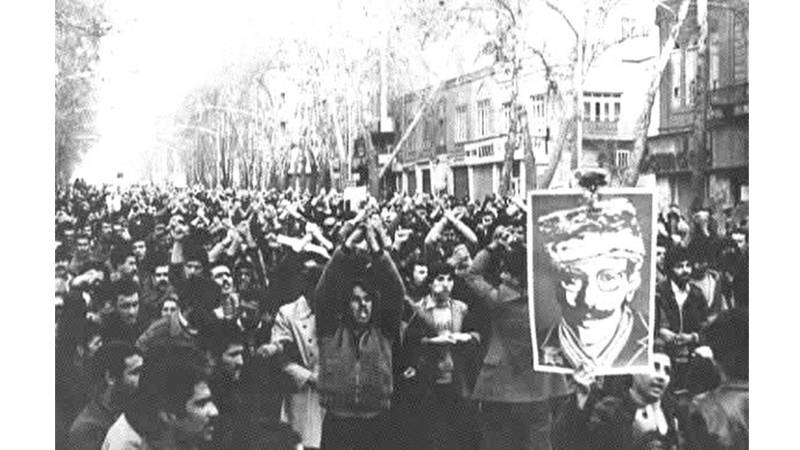
I first encountered the short-lived Iranian writer Samad Behrangi (1939-1968) in Sibte Hasan’s classic work on the Iranian Revolution, Inquilab-e-Iran (1980), where while discussing the stifling atmosphere under Raza Shah Pahlavi, Hasan mentioned how scores of Iranian writers and poets paid the ultimate price for dissenting with the Shah by committing suicide or being hanged or outright murdered. Behrangi was one of these immensely gifted writers who died on 31 August 1968, 57 years ago today, presumably killed by the Shah’s murderous secret police, the SAVAK, aged not yet 30.
Behrangi was a teacher, social critic, folklorist, translator and short-story writer who was born in the neighbourhood of Charandab in Tabriz, Azerbaijan province on 24 June 1939 in a Turkish working-class family. He was initially educated in Tabriz and graduated from high-school in 1957 and that same year, started teaching in the village schools of the East Azerbaijan province, located approximately 50 miles south-west from Tabriz; which continued for eleven years.
Behrangi started writing short-stories and translating into Farsi from Turkish at the end of the 1950s. He was influenced by Azerbaijani folk stories and translated them as well.
He was only 29 when he set off in August 1968 in order to collect his writings. He drowned in the Aras river due to not knowing swimming. Generally, foul play is suspected – as it is believed that the Shah’s security service SAVAK was behind this incident, since Behrangi was a Marxist who was a harsh critic and opponent of the Iranian government’s policies.
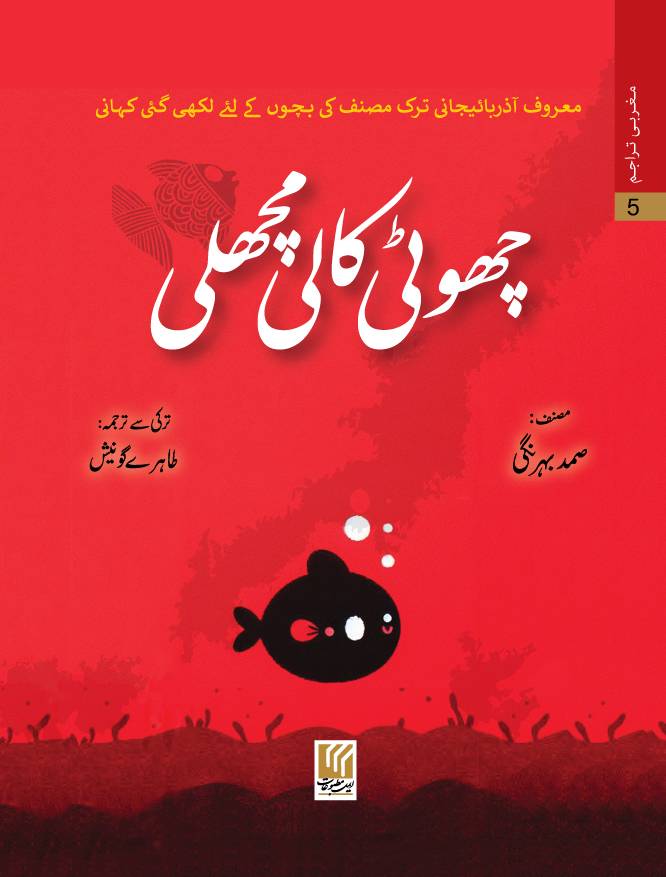
Title: Choti Kali Machli
Author: Samad Behrangi
Translator: Translated from the Turkish by Tahire Güneş
Publisher: Emel Publications, Islamabad, 2025
Pages: 49
At that time, his most famous children’s stories, including Mahi-ye Siyah-e Kuchulu (The Little Black Fish) – his most famous work – were in press, which were published posthumously. In 1969, his other notable works like 24 Sa’at Dar Khab va Bidary (24 Restless Hours) and Yek Holu, Yek Hazaar Holu (One Peach, One Thousand Peaches) were published.
The book under review is an Urdu translation of Behrangi’s best-known work Mahi-ye Siyah-e Kuchulu as ‘Chhoti Kaali Machhli’ by Turkish translator Tahire Güneş. In this allegorical tale, Samad Behrangi has expressed a desire for freedom in the language of a little fish.
Behrangi started writing short-stories and translating into Farsi from Turkish at the end of the 1950s. He was influenced by Azerbaijani folk stories
In this story told by an aged fish living in the deep waters of the sea to her children and grandchildren, a little black fish living in a river attempts to reach the sea and freedom against all the pressure and conservative mindset, and resists her status quo. She has to face difficulties to reach her goal, even at the cost of her life, and against all efforts to make her stay behind.
The environment where the little black fish has come into her senses in the world is a blessing for the community where the writer lives. Here, ignorance rules. The fish in the neighbourhood do not care about anything, and they live a dull life. According to them, life only constitutes eating, sleeping and wasting meaningless time afterwards. Yet the representative of the youth, the little black fish, cannot reconcile with her way of life. The little black fish with her conduct arranges to change the opinion of the other fish.
The little black fish is bored with aimless swimming. She says that one day she wants to travel in the free seas. Yet, nobody accepts this idea and everyone tries to stop her. The little black fish ignores them and sets off on the adventurous journey. This journey of the little black fish for the interpretation of her dreams will leave great impressions upon the reader, they do not know whether she can reach the free seas or not, but the little black fish embraces every hurdle coming in her way as a colour of life. By standing against prejudices, the little black fish persuades our children to fulfil one’s dreams and giving meaning to their lives.
By completing the work with a hopeful ending, the writer wanted to emphasize that the youth is an indomitable force. Even while being inexperienced, the youth are searching all the time, they do not accept old age in any way. The expanse of the little black fish at work is a symbol of the new free life desired by youth.
Behrangi’s story has been fully translated from Turkish into Urdu, and its language is clear and simple. Everyone reading the book in Urdu and speaking it will be delighted with it and it will be useful for every reader.
After closing the gorgeously-illustrated book, the reader recalls the powerful lines from it as the little heroine of the book is plagued by self-doubt, and which surely must also have confronted Samad Behrangi himself as he swam to his untimely death on that fateful August day:
“I might face death any minute now! But I should try not to put myself in harms’ way as long as I can live. Of course it is not important if I die, because this is going to happen anyway. I know my purpose, my purpose is: How will my life or death impact the lives of others?”