

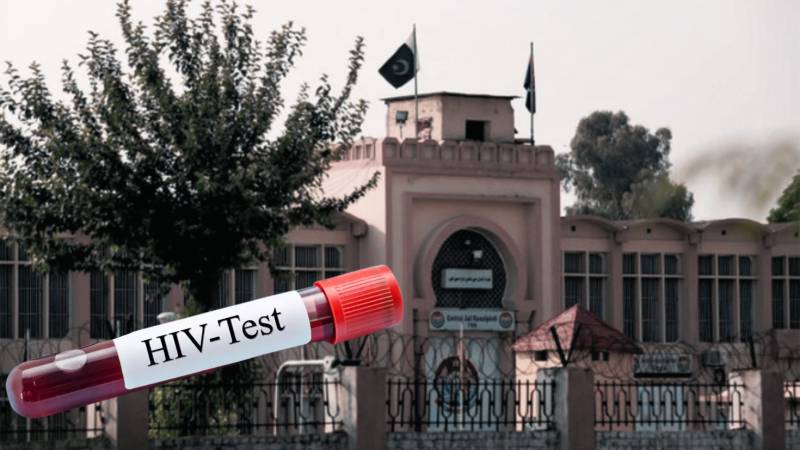
In August 2025, reports from Adiala Jail in Rawalpindi, Pakistan’s largest and most notorious prison, horrified the nation. At least 148 prisoners tested positive for HIV, the highest number ever recorded in a Punjab facility. Adiala jail, built to hold 1,994 inmates, currently houses more than 4,300. Cramped cells, poor sanitation, unsafe drug practices, and neglect have turned it into a breeding ground for disease. This outbreak is no aberration. It is the predictable outcome of a prison system collapsing under its own colonial weight.
A report titled "Pakistan’s Prison Landscape: Trends, Data, and Developments in 2024" notes that the country’s 128 operational jails hold 102,026 inmates, at 152% of authorised capacity. Nearly three-quarters of these inmates are not convicts but under-trial prisoners, trapped in endless legal limbo. Some prisons have become nightmares of human congestion: Karachi Central Prison, built for 2,400, now holds 8,518, a suffocating 355% overcapacity.
At its core, overcrowding of prisons reflects the dysfunction of Pakistan’s criminal justice system. Colonial-era laws still grant police sweeping powers of arrest, while bail is frequently denied or set at exorbitant rates. Alternatively, non-custodial sentences are rarely applied, even for minor offences. The result is a mass incarceration pipeline that punishes poverty more than crime.
The burden falls heaviest on those least able to resist: the poor, women, juveniles, and foreign nationals. With only four dedicated women’s prisons nationwide, most female inmates live in barracks within men’s facilities, facing stigma, neglect, and abuse. Even their menstrual health needs are ignored due to social taboos. Pakistan’s Ministry of Human Rights reported in 2020 that two-thirds of women in prison are on trial.
Juveniles, 1580 at last count, are mostly housed in adult facilities, with only five dedicated facilities: three in Sindh and two in Punjab. Over 1,100 foreign nationals, including Afghans, Indians, Bengalis, and Nigerians, languish in detention with little consular support. For all these groups, prison becomes less about justice and more about survival.
Behind prison walls, tuberculosis, hepatitis, skin infections, and now HIV thrive. Mandatory health screenings within 24 hours of admission, required under Pakistan’s 1978 Prison Rules, are either cursory or skipped entirely. Former inmates recall meals so inadequate that hunger gnaws daily, with food supplies siphoned off by staff. Medical care is skeletal. Most prison hospitals lack even basic equipment like EKG machines, let alone budgets for trained staff or functioning ambulances. Mental health services are nearly nonexistent, with only a handful of psychologists available for entire provinces. Depression, isolation, and anxiety are the daily companions of life behind bars.
A parallel system thrives: wealthy and influential prisoners serve time in private hospitals, while poorer inmates must bribe guards just to access painkillers or food rations already allocated to them. In December 2021, six inmates in Lahore’s Camp Jail died within 12 days of custody due to neglect and lack of heating and warm clothes in winter, and yet no accountability followed.
The roots of this cruelty lie in Pakistan’s colonial inheritance. The Penal Code, Criminal Procedure Code, and Prison Act of 1894 were crafted not to rehabilitate but to suppress dissent and punish subjects. More than seven decades after independence, that punitive philosophy still governs not only Pakistan but the entire South Asian region.
Even after the 18th Amendment devolved prisons to provinces, reforms have been cosmetic. Punjab drafted new rules in 2020, Sindh in 2022, and Balochistan has only just begun revisions. But systemic change remains elusive; the prisons still prioritise discipline and punishment over reintegration. International standards like the UN’s Nelson Mandela Rules, requiring medical screenings, humane treatment, and rehabilitation, are routinely ignored.
Pakistan’s prison crisis is not a closed domestic affair. It undermines human rights, the rule of law, and regional stability. South Asia’s prisons, from Tihar in Delhi to Dhaka Central to Karachi Central, are united by overcrowding and reliance on pre-trial detention as a substitute for fair trials.
Adiala’s HIV outbreak should serve as a wake-up call that Pakistan can no longer treat prisons as neglected holding cells for the poor and powerless. The country needs to enforce mandatory medical screenings at intake, invest in modern healthcare and mental health facilities, and root out the corruption that allows food, medicine, and basic supplies to be siphoned away. Equally urgent is the adoption of community-based alternatives such as probation, parole, and community service for minor offences, measures that would both reduce overcrowding and promote rehabilitation. Prisoners with psychosocial disabilities should be diverted to treatment rather than incarceration, and provincial prison rules must be reformed in line with international standards, particularly the UN’s Nelson Mandela Rules.
As Fyodor Dostoyevsky observed, “The degree of civilisation in a society can be judged by entering its prisons.” By that measure, Pakistan is failing badly. Unless it sheds its colonial legacy of punishment and embraces reform, its prisons will remain breeding grounds for disease, despair, and abuse, undermining not just inmates’ dignity but the country’s wider commitments to human rights and justice.