

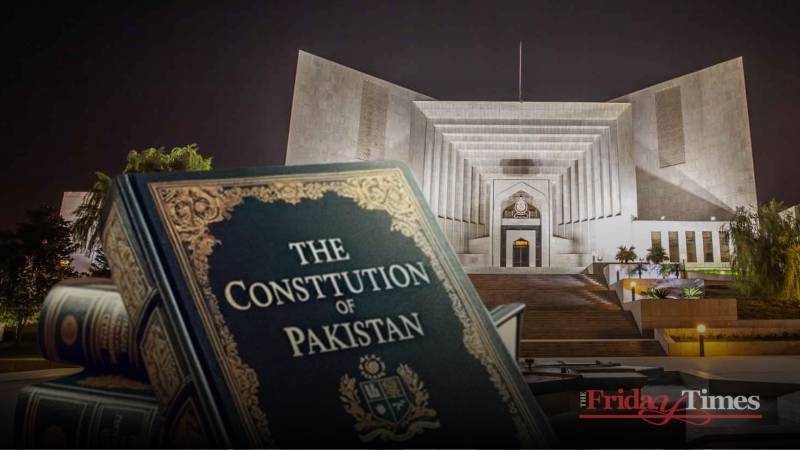
The government of Pakistan has formally introduced the draft of the 27th Constitutional Amendment in the Senate, setting off a heated debate over sweeping reforms to the judiciary and the military command structure. The amendment, the most consequential since the constitutional battles of the 1980s, proposes major structural changes that critics argue could tilt the balance of power toward the executive and the military while undermining judicial independence.
The proposed amendment seeks to establish a Federal Constitutional Court (FCC) with judges appointed on the recommendation of the Prime Minister and a handpicked chief justice, and to expand the retirement age of FCC judges. It also grants the President the authority to transfer High Court judges between provinces, with those refusing transfers deemed retired. Analysts say these measures appear designed to reward compliant judges and sideline those considered independent.
In parallel, the amendment introduces significant changes to Pakistan’s military leadership under Article 243. The office of the Chairman Joint Chiefs of Staff Committee (CJCSC) will be abolished from November 27, 2025, and replaced by the post of Chief of Defence Forces, held concurrently by the Chief of Army Staff. The amendment also establishes the Commander of the National Strategic Command and provides life-long constitutional protection to officers promoted to five-star ranks, including Field Marshal, Marshal of the Air Force, and Admiral of the Fleet.
Federal Law Minister Azam Nazeer Tarar explained that these provisions regularise recent extraordinary promotions, including the elevation of Gen Asim Munir to Field Marshal after the India-Pakistan confrontation of May 2025. He clarified that such ranks are symbolic and come with life-long privileges, removable only through Parliament under Article 47. Critics, however, argue that these changes institutionalise broader powers for military leadership, further entrenching the military’s constitutional authority.
The amendment has faced strong opposition both within Parliament and from civil society. Opposition parties, including the PTI and ANP, have expressed concerns about judicial independence and executive overreach. The Tehreek Tahafuz Ayeen-e-Pakistan has labelled it an “assault on the Constitution” and announced nationwide protests, warning that the judiciary is being systematically dismantled.
Despite the opposition, the ruling coalition comprising the Pakistan Muslim League-Nawaz, Pakistan Peoples Party, and allied parties appears poised to secure the required two-thirds majority in both the Senate and the National Assembly. Federal ministers have expressed confidence in smooth approval, while Prime Minister Shehbaz Sharif withdrew a proposed clause granting lifetime immunity to himself, reaffirming his commitment to accountability.
As the 27th Constitutional Amendment moves through Parliament, it underscores Pakistan’s ongoing struggle with the balance of power between civilian authorities, the judiciary, and the military, raising questions about the future of constitutional governance in the country.