

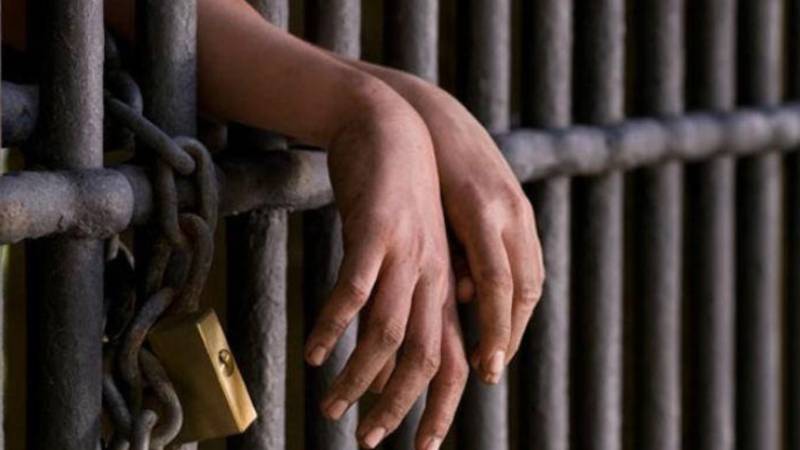
Children who come into conflict with the law are often regarded as criminals for the rest of their lives. While the circumstances behind their behavior go unnoticed. Many have grown up in environments marked by poverty, abuse, neglect, or social exclusion, and a lack of opportunity leaving them with few opportunities and difficult choices. Juvenile rehabilitation aims to tackle these root issues. Rather than relying purely on punitive measures, it seeks to reintegrate young offenders by offering them access to education, mental health support, vocational skills and family intervention.
Evidence from around the world supports that juvenile rehabilitation, helps in reducing the future crime rate. Young individuals are still developing making them much more receptive to education, counselling and structured support than adults. When juveniles are provided with schooling, vocational training, mental health care, and opportunities to reconnect with their families, they are significantly more likely to become productive members of society. Conversely, placing children in overcrowded prisons without adequate rehabilitation often exposes them to hardened criminals, increases trauma, and reinforces criminal behavior rather than preventing it. Every juvenile who successfully reintegrates into society represents not only a life transformed but also a reduction in future crime, lower costs for the justice system, and a stronger workforce. Rehabilitation should therefore be viewed as an investment in public safety and national development rather than simply an act of compassion.
In theory, Pakistan’s juvenile system is built on rehabilitation. In practice, however, it often confines without preparing, leaving young offenders trapped in the very cycle the system claims to break. Laws such as the Juvenile Justice System Act (2018) emphasize rehabilitation over retribution by providing legal safeguards for children, including the right to legal representation, protection from harsh punishments, and the establishment of juvenile courts and rehabilitation centers. More recently, the Chief Justice of Pakistan chaired a high-level meeting with several chief ministers regarding juvenile rehabilitation, however, despite these initiatives, meaningful implementation remains limited.
Rather than relying purely on punitive measures, it seeks to reintegrate young offenders by offering them access to education, mental health support, vocational skills and family intervention.
Many districts still lack dedicated juvenile courts, probation officers, and separate holding facilities. In several cases, juveniles lack legal representation despite it being a state-sanctioned right, which is why according to Justice Project Pakistan, nearly 89% of all juveniles are currently awaiting trial. Those who are wealthy enough pay out of pocket; however, those who are not are left to suffer. This raises the question: is Pakistan’s juvenile system one where economic status decides justice?
Studies by the LUMS Centre of Business and Society highlight that juveniles face abuse, overcrowding, and a lack of education, which can reinforce delinquent behaviour instead of correcting it. According to interviews conducted by Justice Project Pakistan, 79% of juveniles were subjected to severe beatings, while 36% witnessed others being tortured. Therefore, a system that intends to rehabilitate incarcerated individuals is, in fact, turning children confined for petty crimes into hardened criminals.
One of the biggest reasons this gap continues to exist is the lack of resources. Rehabilitation is more than just keeping children out of prison: it requires vocational training, literacy programs, psychological assessments, and counseling, all of which depend on trained professionals, adequate funding, and close coordination between the police, the judiciary, social welfare departments, and community organizations. Unfortunately, these elements are often missing or unevenly distributed across the country. Public awareness is also limited, leading many people to believe that punishment alone is an effective response to juvenile crime, despite evidence that rehabilitation is more successful in reducing repeat offending.
This means investing in education, mental health services, family support programs, and skill development. Community-based rehabilitation, restorative justice practices, and aftercare services can help juveniles rebuild their lives while reducing the likelihood of reoffending. Such measures not only benefit the individual child but also contribute to safer communities.
While Pakistan’s legislative reforms reflect a growing commitment towards juvenile rehabilitation, laws alone are insufficient. Meaningful progress requires implementation, commitment, and consistent political will. Without this, juvenile rehabilitation will only remain a mere law passed on paper with little actual effect. Investing in rehabilitation is not an act of charity; it is a necessity for a country whose future depends on whether its most vulnerable youth are given the tools to rebuild their lives and those of their families.