

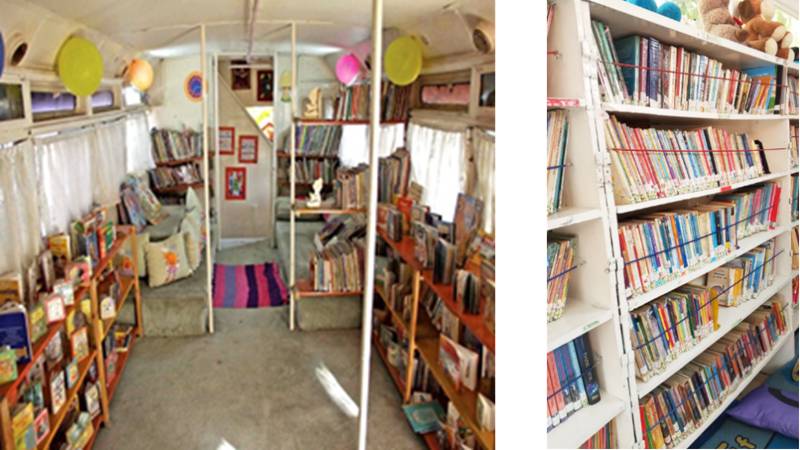
In the quiet lanes of Gulberg, Lahore, where modern bookstores are rare and digital devices rule attention spans, sits a building with a soul—Alif Laila Children’s Library. Established in the early 1900s, this library has not only survived history but reshaped it. It’s more than just a collection of books; it’s a movement built on creativity, mobility, and deep love for learning. Over the decades, Alif Laila has taken literature out of its traditional four walls—onto roads, into parks, and straight into the hearts of children.
This journey of literacy on wheels is marked by three groundbreaking innovations: the Double-Decker Book Bus (1978), the Circle Library (1978), and the Storyteller Bus (2007). Together, they’ve written a new chapter in Pakistan’s educational landscape.
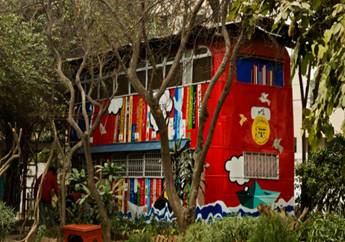
In 1978, Alif Laila introduced a concept that would change the face of children's libraries in Pakistan forever—a repurposed double-decker bus transformed into a mobile library. At a time when libraries were formal, silent, and inaccessible for many, this moving bus pulled up into low-income neighbourhoods, parks, and school yards with one purpose: to make books irresistible.
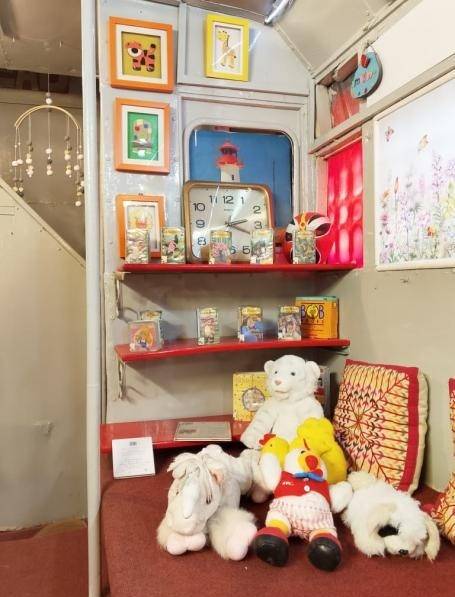
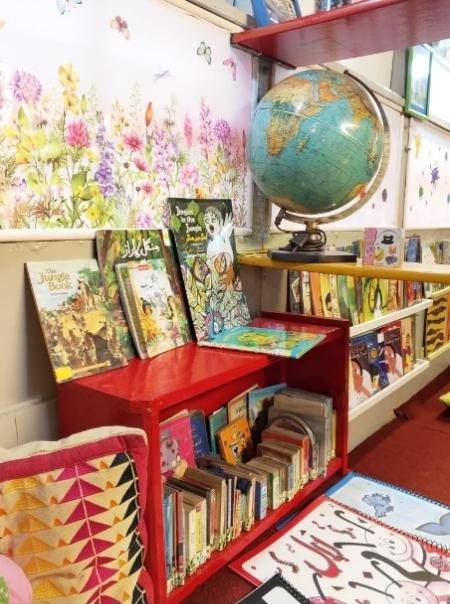
The lower deck was a dream for young readers. Lined with shelves of vibrant children’s books in both Urdu and English, it was designed to invite touch, curiosity, and comfort. Soft mats replaced seats, walls were painted with fairy tale scenes, and cushions created little corners for kids to curl up with a book. Upstairs, the bus was a stage. Here, children took part in storytelling sessions, puppet plays, and creative workshops that merged fun with literacy.
What made the Double-Decker Book Bus so impactful was not just the novelty of a library on wheels—but its reach. For many underprivileged children, this was their first encounter with a book, their first time hearing a story read aloud. It didn’t just promote literacy; it sparked imagination and confidence.
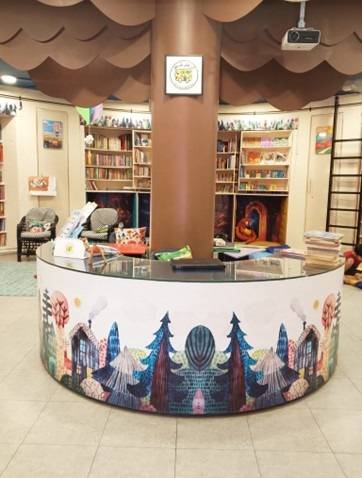
In the same groundbreaking year, Alif Laila launched another innovative idea—the Circle Library. Simple in structure but powerful in philosophy, this mobile model stripped away the formality of traditional libraries. Books were placed in the centre, and children sat in a circle around them, reading aloud, listening, and interacting.
The circle represented equality. There was no teacher’s chair, no "quiet" rules, and no restrictions. Anyone could pick a book, read it, share it, and ask questions. These libraries were set up in parks, school courtyards, and community spaces across Lahore, especially in under-resourced areas where formal education was limited. This model particularly empowered girls, many of whom had little access to school. For them, the Circle Library was not just a place to read—it was a space where they could speak, imagine, and belong. The sessions were often led by volunteers trained to encourage discussion, curiosity, and group storytelling. It created a community around books, one that lived outside the walls of classrooms.
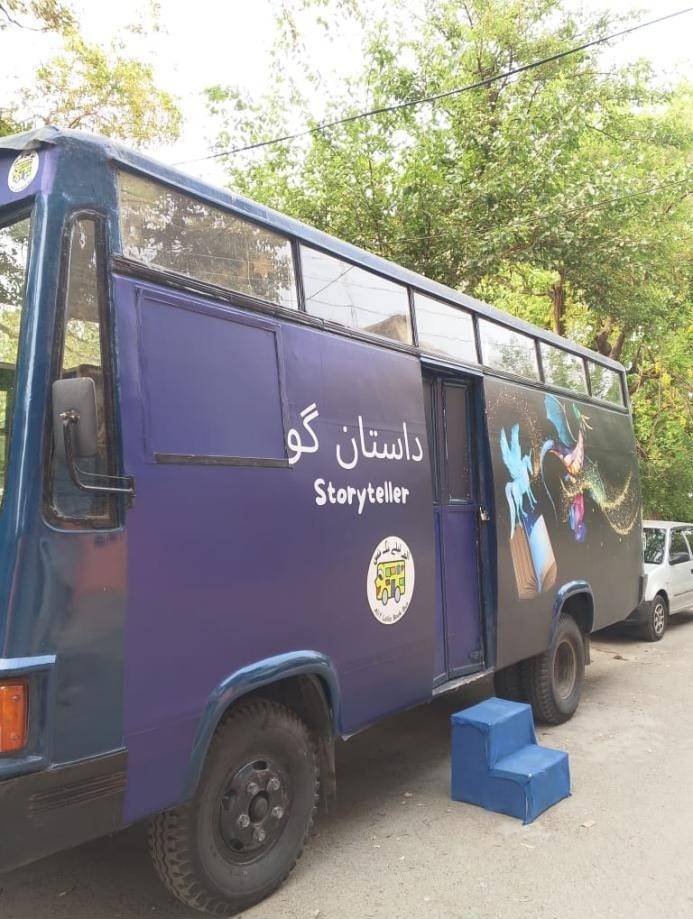
Three decades later, in 2007, Alif Laila once again reimagined mobile libraries with the launch of the Storyteller Bus. This was not just a library—it was a performing classroom on wheels. Painted in bright colours and fitted with interactive learning tools, the Storyteller Bus combined traditional storytelling with modern techniques.
From its humble beginnings over a century ago to becoming a pioneer in mobile learning, Alif Laila has stayed true to its name, a reference to "A Thousand and One Nights"
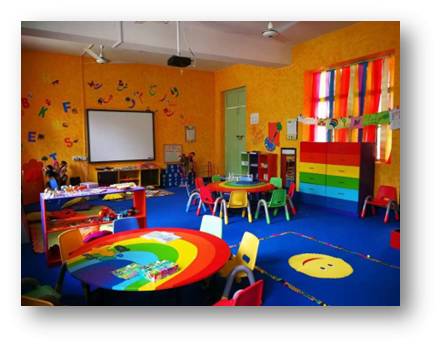
The interior was redesigned to include a mini-stage, bookshelves, music stations, and art supplies. Trained facilitators—often artists, teachers, or volunteers—used puppetry, visual art, digital media, and drama to engage children. They didn’t just read stories; they lived them. Children were invited to act out characters, create their own endings, or even write and illustrate their own books.
This bus reached areas where schools were scarce and teachers under-resourced. Wherever it stopped—be it a dusty village or a crowded urban slum—it created an event. Parents, too, often joined in, bringing younger siblings along, making literacy a family experience.
The Alif Laila Book Bus Society, headquartered in Gulberg, is still thriving today, continuing its mission to democratise education and storytelling. What began as a children’s library has grown into a national symbol of innovation in education. It collaborates with schools, NGOs, and literacy programs, pushing the boundaries of what a library can be.
What makes Alif Laila stand out is not just the mobility of its libraries, but their humanity. They’re not just about reading: they’re about expression, inclusion, and the right of every child to dream. In a time when digital distractions pull children away from books, Alif Laila proves that stories still have the power to captivate, connect, and transform.
From its humble beginnings over a century ago to becoming a pioneer in mobile learning, Alif Laila has stayed true to its name, a reference to "A Thousand and One Nights." It continues to tell a thousand stories, not just from books, but from the lives it touches.
In an age where reading is often confined to screens, Alif Laila stands as a reminder: the best stories are those you can touch, hear, share—and sometimes, ride in.